Four evenings, eight formations, a clearly curated concept: the Jazzdor Festival at the Budapest Music Center once again stayed true to its line in 2026, presenting, from March 25 to 28, a series of focused double bills at the Opus Jazz Club instead of programmatic overload. The emphasis once again lay on the close interweaving of the French scene with international partners – and it is precisely from this that those productive frictions arise which give the festival its particular tension.
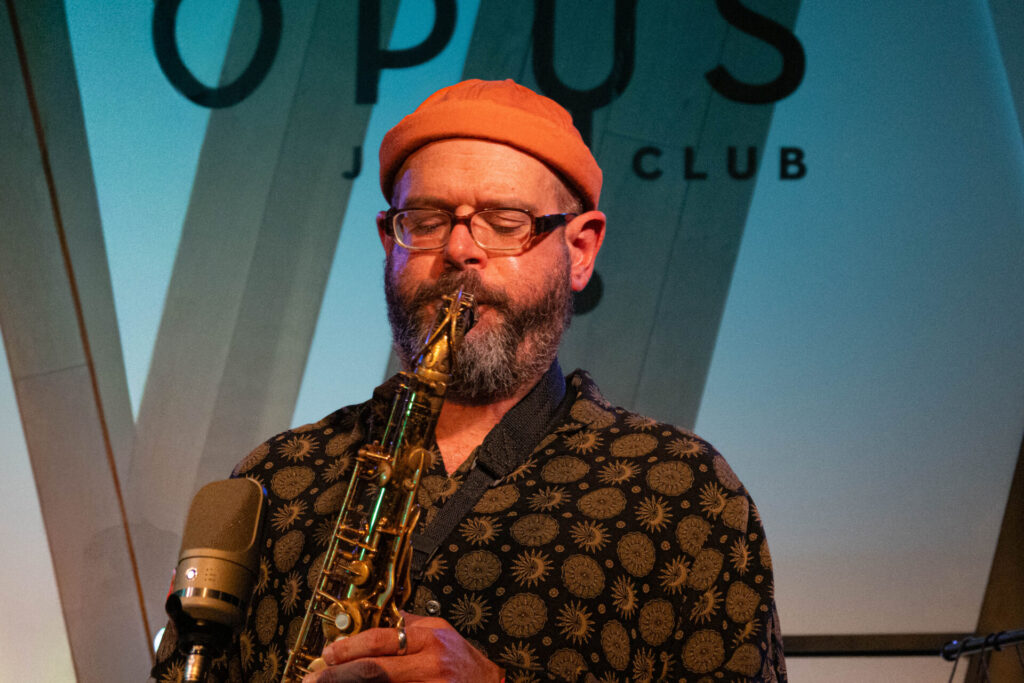
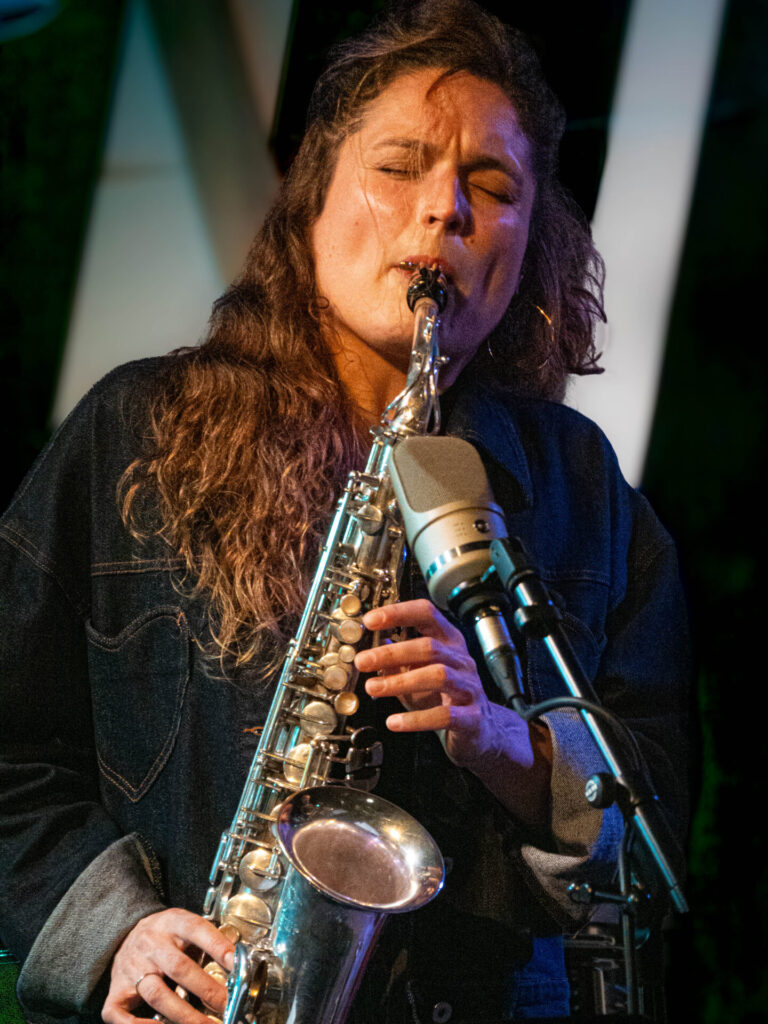
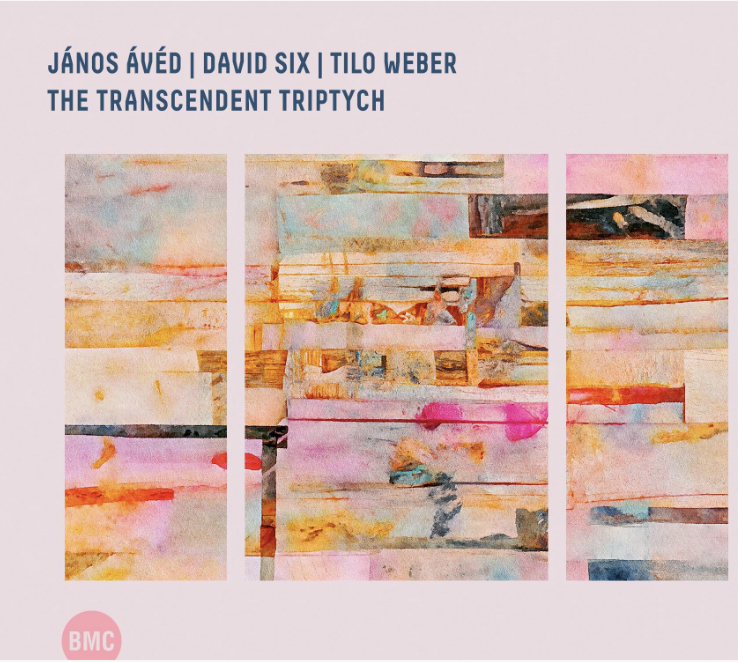
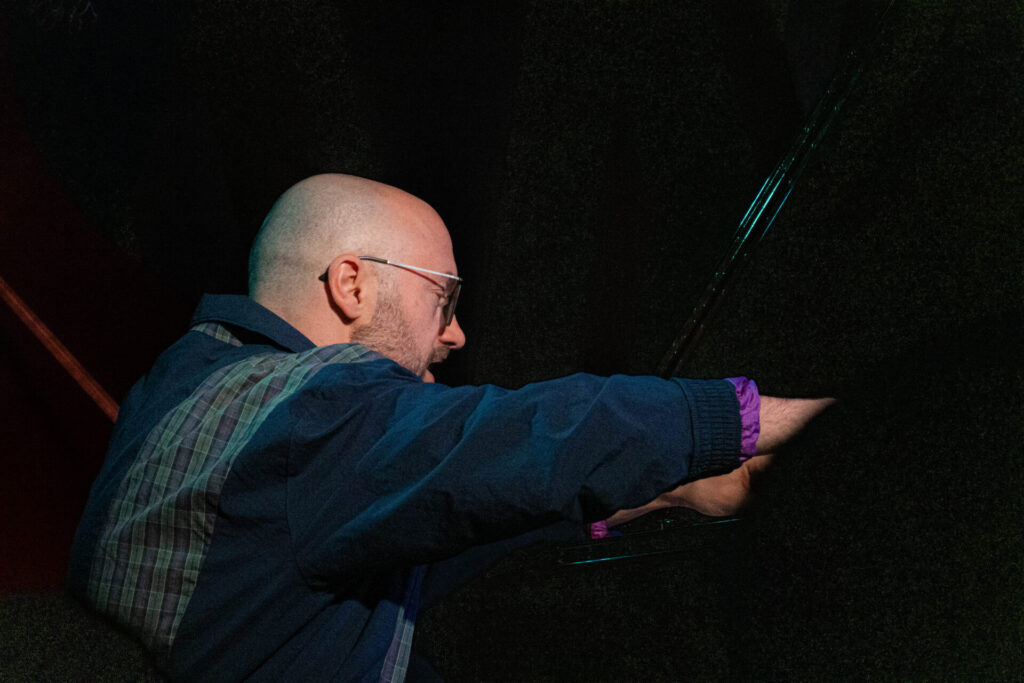
The opening night already showed how well this format works. BIG FISH delivered a lively, agile set: Léa Ciechelski (alto saxophone), whose quintet “Franges” was awarded in the Jazz Migration #11 program and who has been a member of the Orchestre National de Jazz since 2025, together with Julien Soro (tenor and soprano saxophones), drove and intertwined their lines, while Gabriel Midon (double bass) and Ariel Tessier (drums) provided stability and, at the same time, left plenty of space. This was followed by THE TRANSCENDENT TRIPTYCH with János Áved (saxophone), a representative of the Hungarian contemporary European jazz scene, Austrian pianist David Six (piano) and Tilo Weber (drums): a trio that works with deliberate restraint and, precisely because of that, develops a strong inner density. Lines emerge, dissolve, and reconnect – carried by highly attentive interplay.
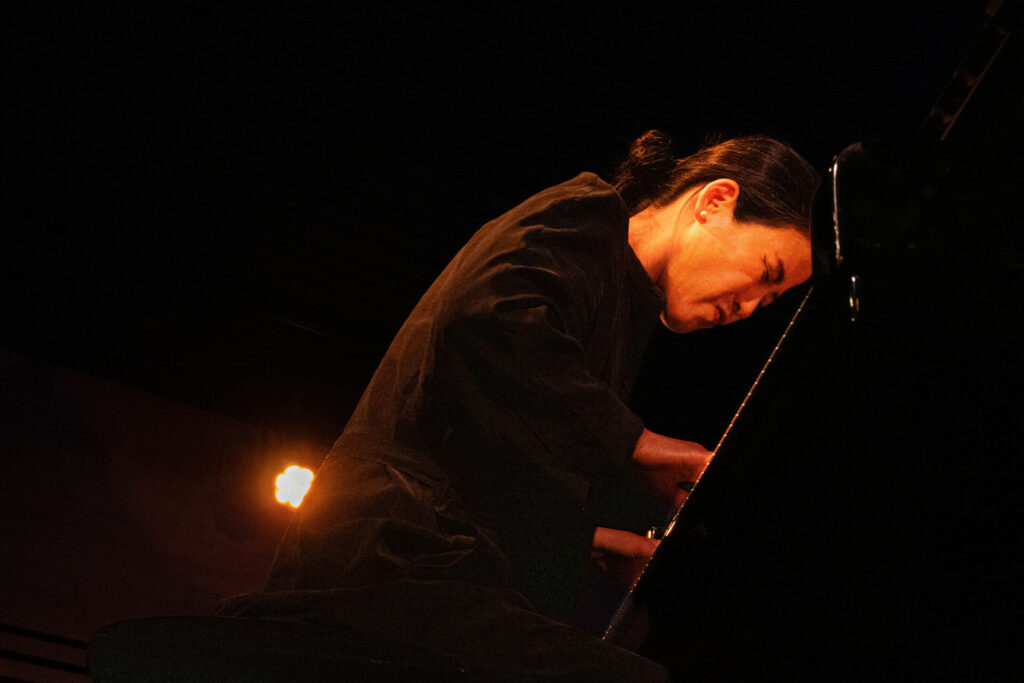
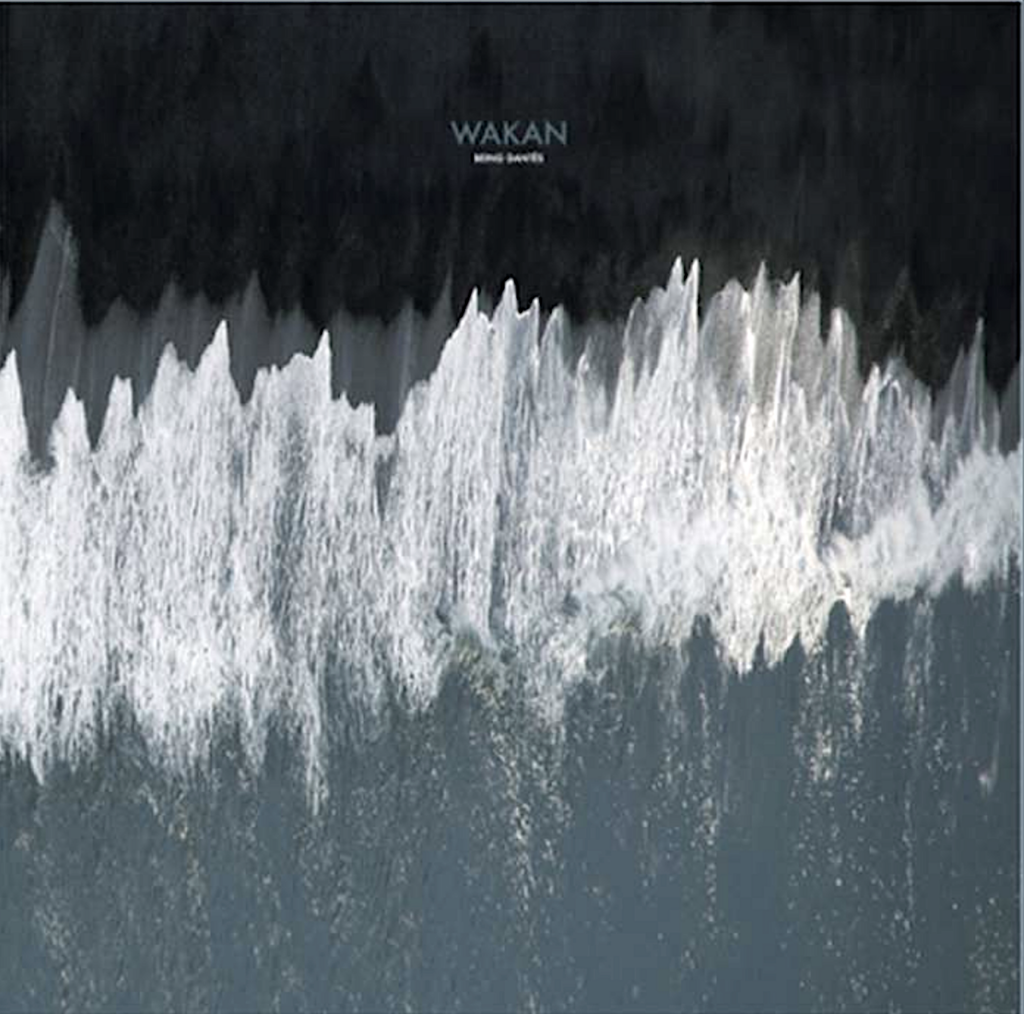
The second evening brought WAKAN, with a clear focus on sound and structure. At its center was pianist Francesca Han (piano), originally from South Korea, who, after periods in New York and Tokyo, has made the south of France her artistic home. Together with Pierre Fenichel (double bass) and Fred Pasqua (drums), she developed a playing style shaped by subtle nuances and a deep sensitivity to timbre. Starting from simple motifs, the pieces unfold step by step, supported by a calm, controlled dynamic and a very refined approach to the material. TIM followed with Karoline Wallace (voice, tapes, electronics), Selma French Bolstad (violin, voice) and Sébastien Palis (piano, synthesizer), setting a contrasting tone: music that evolves gradually, works with sound textures, and thinks more in terms of atmosphere than traditional form.
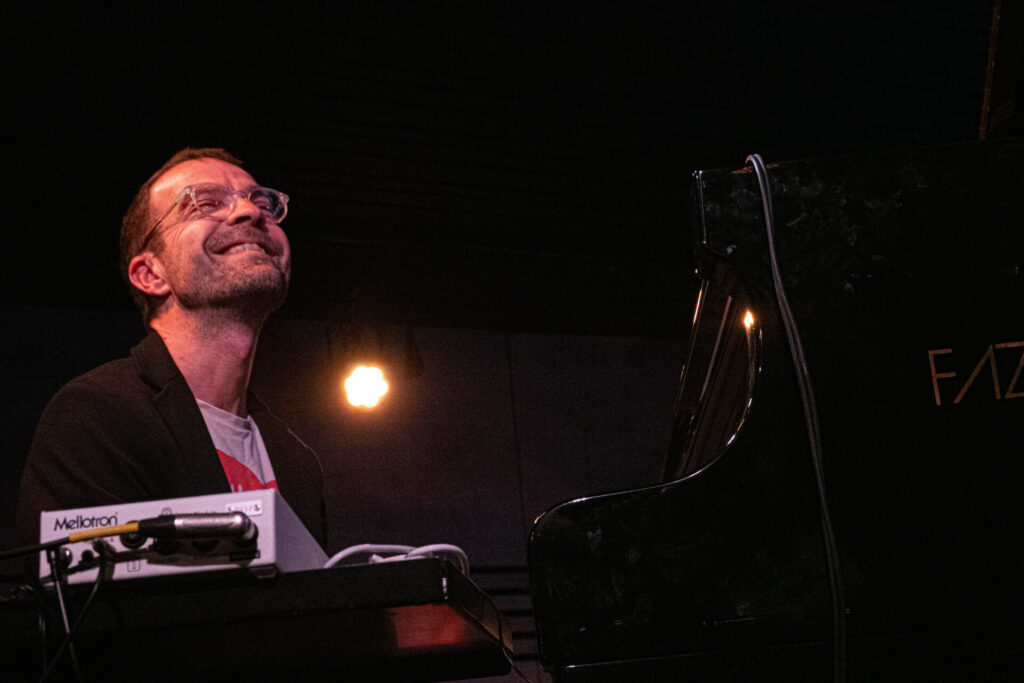
A particular focus lay on the third evening. The CHRISTOPHE MONNIOT QUARTET, featuring Christophe Monniot (alto and soprano saxophone), one of the more prominent saxophonists of the French scene, together with Sophia Domancich (piano), Felipe Cabrera (double bass) and Denis Charolles (drums), impressed with a clearly structured yet open quartet aesthetic. Themes are introduced, developed, and revisited from different angles without ever interrupting the musical flow.
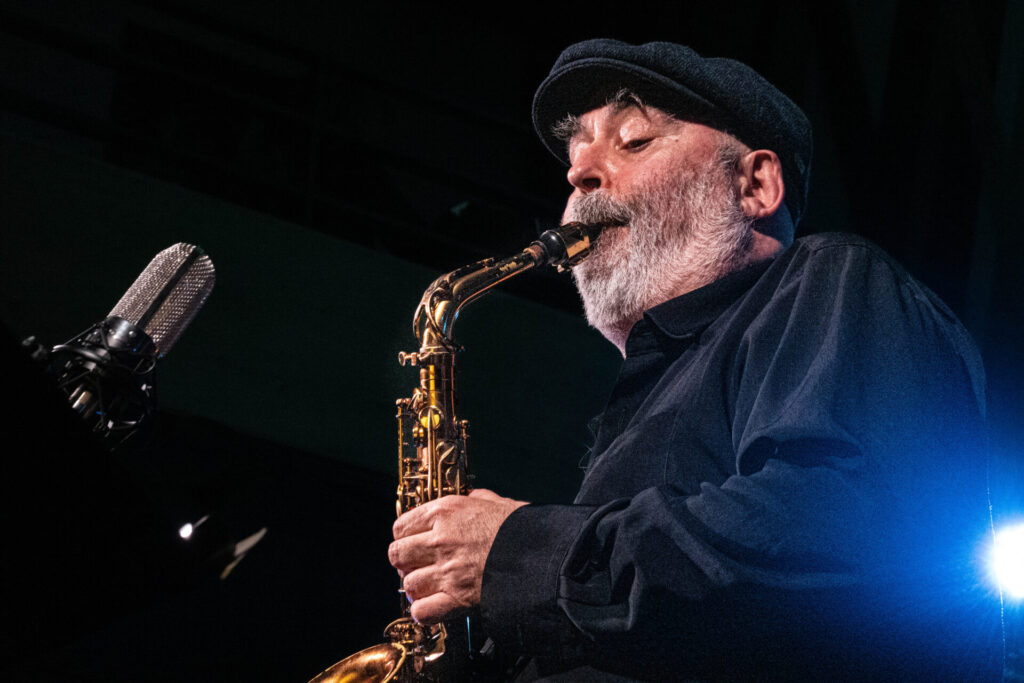
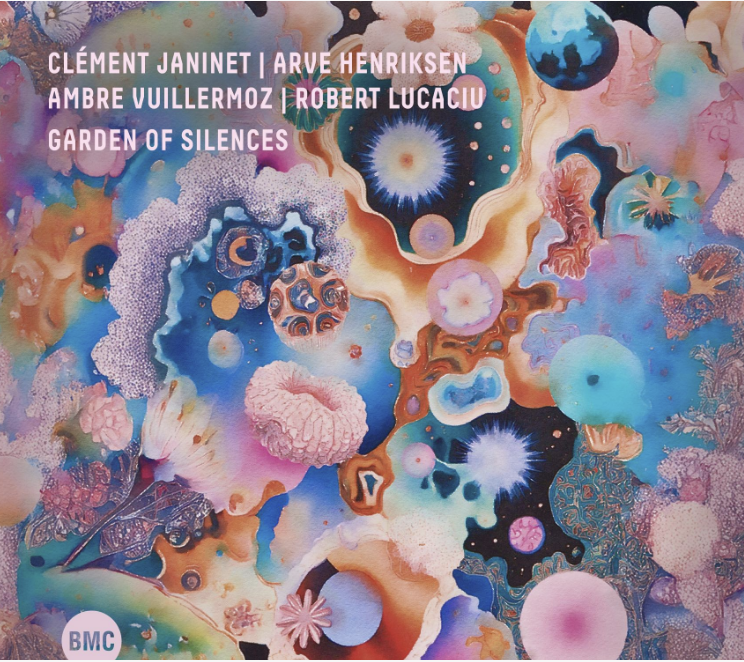
Perhaps the most striking moment of the festival was GARDEN OF SILENCES. The quartet led by Clément Janinet (violin) spans an unusually wide arc: from references to Renaissance and Baroque music – for instance in the orbit of John Dowland – to free improvisation. These references do not come across as historical reenactments but are naturally integrated into a contemporary sound language. The instrumentation plays a key role: Clément Janinet (violin), Arve Henriksen (trumpet, voice, electronics), Ambre Vuillermoz (accordion) and Robert Lucaciu (double bass). It is precisely this interplay of historical sound concepts, free playing and electronic extensions that creates a wide variety within a coherent overall sound.
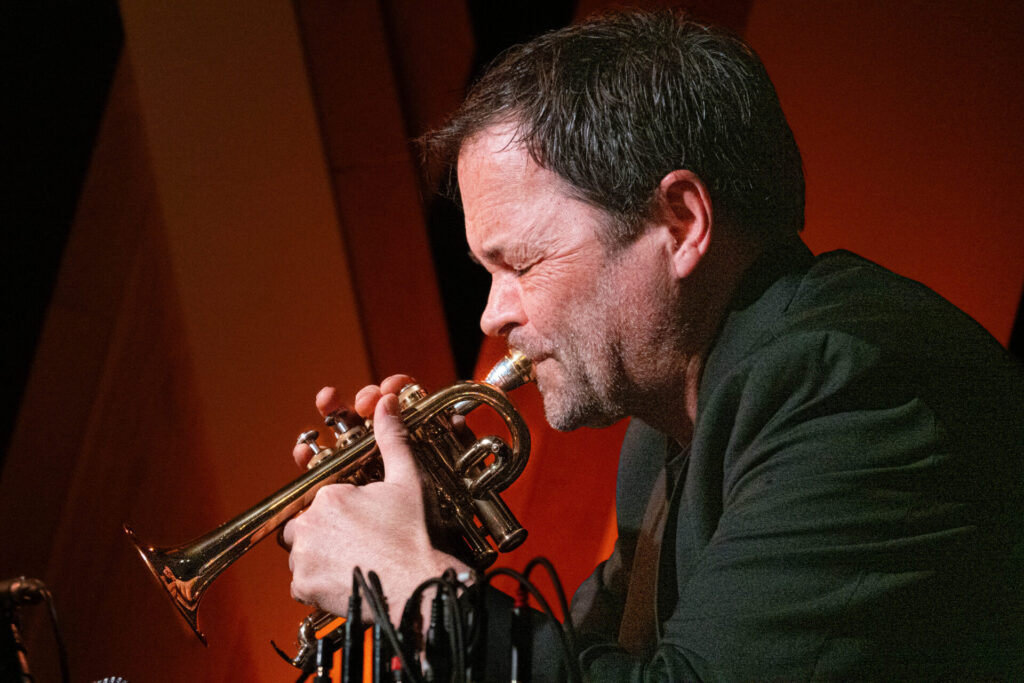
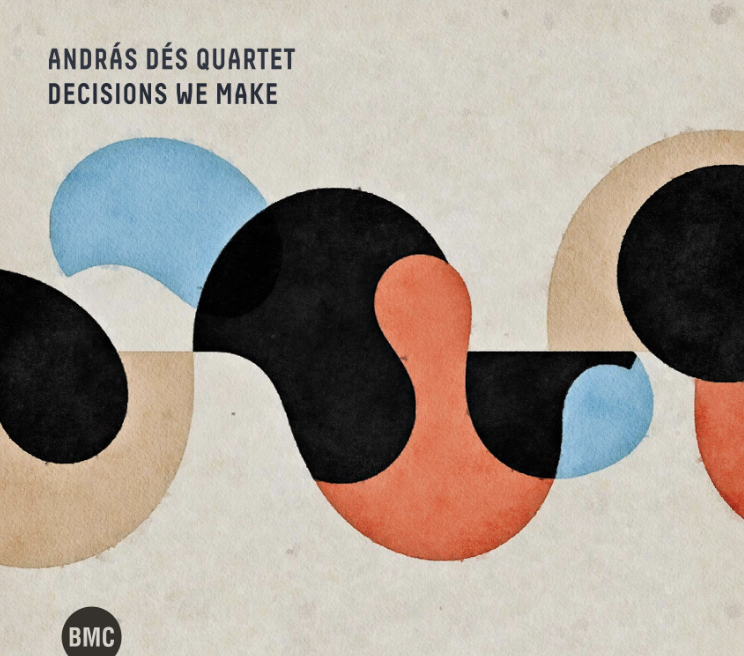
The festival concluded with the ANDRÁS DÉS QUARTET, led by the Hungarian drummer András Dés, who lives in Vienna, together with Austrian musicians Martin Eberle (trumpet), Philipp Nykrin (piano) and Kenji Herbert (guitar). Performing with their recently released album “Decisions We Make” (BMC Records), the quartet based their concert on this new work. The absence of a bass gave the group a particular openness in sound. Each of the four musicians brought in a distinct voice, while the ensemble interplay remained consistently present and balanced. The music unfolds as a continuous, roughly 49-minute arc in which composed material and open passages interweave and constantly evolve – an approach that was clearly perceptible in the live setting. Structures open up, develop further, and condense again without losing clarity. Rhythmic ideas, melodic lines and sonic details interlock and form a cohesive whole. As a closing set, it proved especially fitting – an Austrian-Hungarian ensemble performing on equal footing and encapsulating the spirit of the festival.
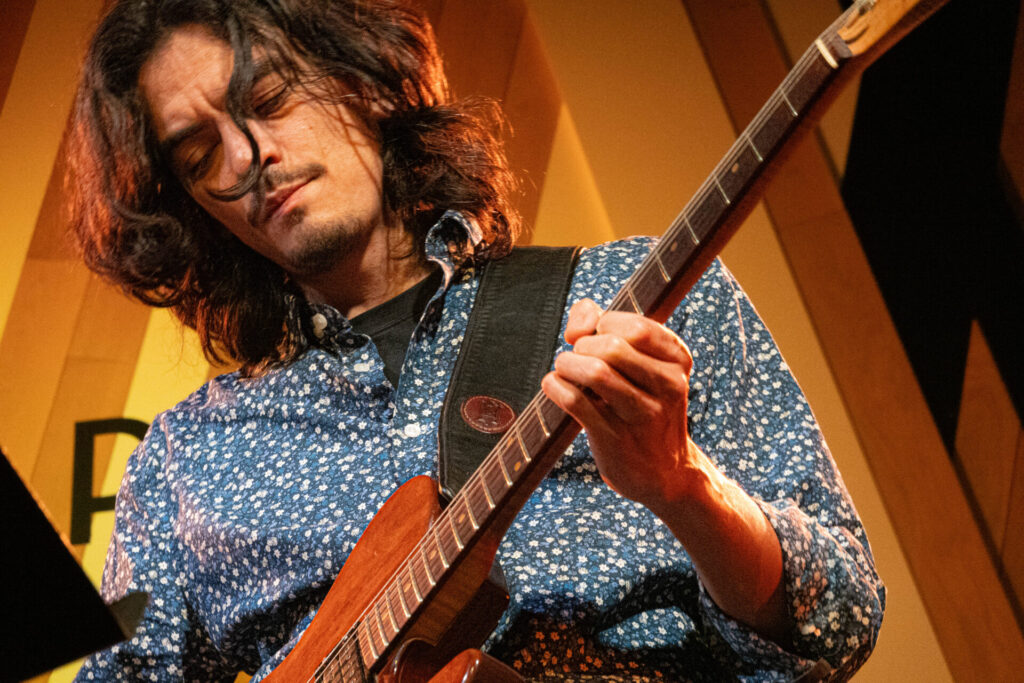
What remains from these four days is the impression of a festival that consciously embraces focus. The double-bill format in an intimate setting allows for attentive listening; the programs are clearly structured and give each project the space to unfold. It is precisely this reduction to essentials that makes Jazzdor Budapest 2026 a festival defined not by scale, but by its artistic depth.
Copyright all photos & article: Herbert Hoepfl/
Concerto-Magazin/
www.concerto.at
Album Recommendations for the Featured Artists:
Andras Des Quartet
„Decisions We Make“,
BMC Records, 2026
WAKAN „Being Dantés“
feat. Francisca Han,
Pierre Fenichel,
& Fred Pasqua, Hanji Records, 2026
Clément Janinet | Arve Henriksen | Ambre Vuillermoz | Robert Lucaciu
„Garden of Silences“
BMC Records, 2026
János Ávéd | David Six | Tilo Weber
„The Transcendent Triptych“,
BMC Records, 2026