
Diversity, Passion and Perspectives
The European Blues Challenge, organized by the European Blues Union, has for many years been one of the most important platforms for the European blues scene. National winning bands from all over Europe come together here to perform in front of an international jury and audience – and also to make new contacts and expand their reach beyond their own countries.
This year the event took place in Katowice, a city that has become a lively center for many kinds of music and is known as a UNESCO City of Music. Over three days, 24 acts from 24 countries took part. The semifinals were held on two evenings with twelve bands each. The goal was to reach the final, where eight bands played for the title. The semifinals took place at the cultural center Miasto Ogrodów, and the final was held in the NOSPR Concert Hall.
It is not easy to define a competition like this in one simple way. Blues today comes in many different styles – from traditional roots blues to electric blues rock, from one-man shows to more open styles that include modern and even pop elements.
Even with around 1,000 visitors each evening, the semifinals felt like a family meeting. Many people already know each other, others meet for the first time. They all share the same passion for blues. During the semifinals, the Blues Market also takes place. Many stands offer space for meeting, talking and connecting. This is where people come together for whom blues is more than just music.
Semifinals: First Impressions
The two semifinal nights gave a strong overview of the wide range of blues styles in Europe. Twelve bands per night, short sets, quick changes – a very tight schedule. Here are some interesting acts.
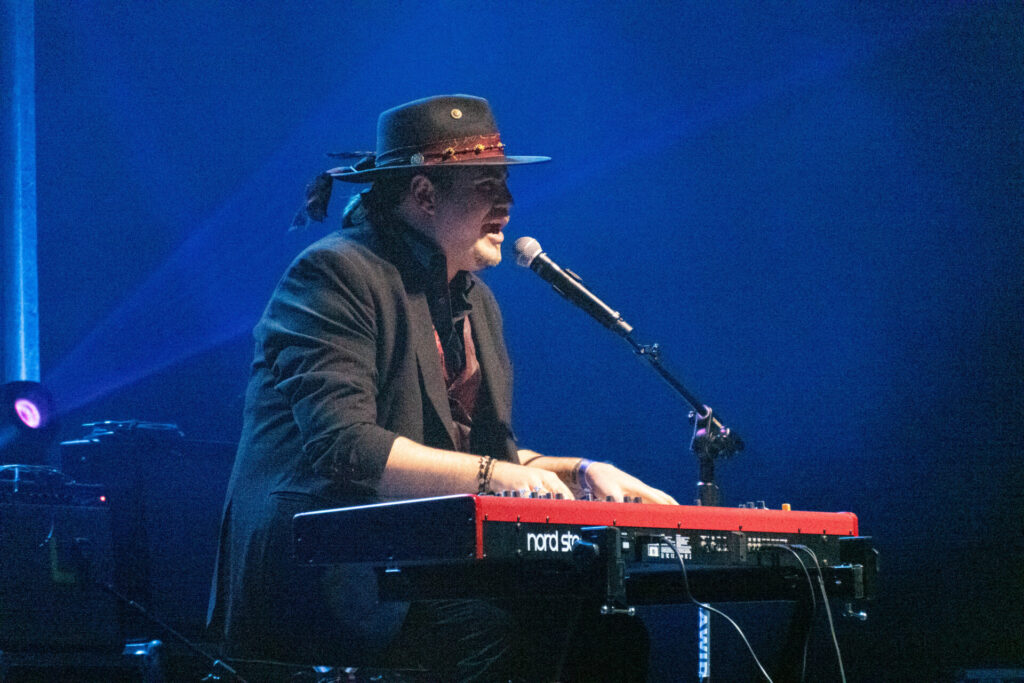
Tom Eylenbosch (Belgium) is one of the youngest artists in the competition and is fully dedicated to vintage blues and boogie woogie. He has already won several awards from the Belgian Blues Association, including “Best Instrumentalist” and “Best Duo Act” (with Guy Verlinde). His performance was simple and focused, sitting alone at the piano, with a clear connection to New Orleans and classic blues. At times his playing reminds of Vince Weber, even if he does not know him. Like other piano players, he had to use a keyboard instead of a real piano – a detail that says a lot. In a competition focused on blues, this raises the question how important sound and authenticity really are. He is a talent with a future.
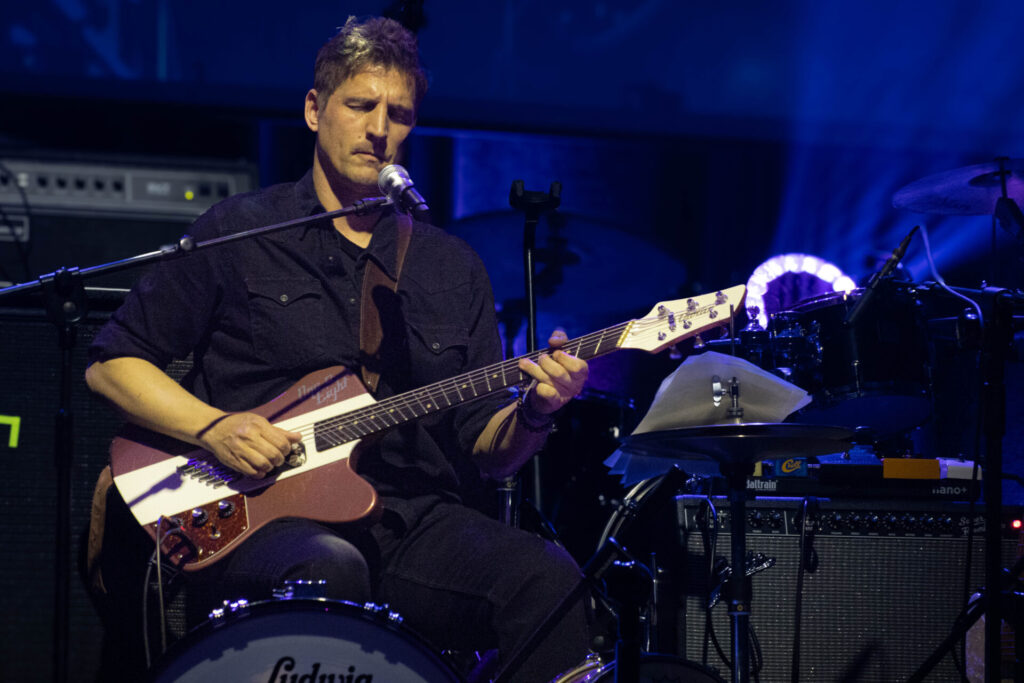
A real solo performer was Marc Slight (Czech Republic). His setup – guitar, bass, vocals, plus kick and snare played with his feet – creates a full sound. His music is deeply rooted in raw blues and at times reminds of John Lee Hooker. At the same time, this kind of music did not fully work in such a big hall. The sound was not always clear, and parts of it got lost.
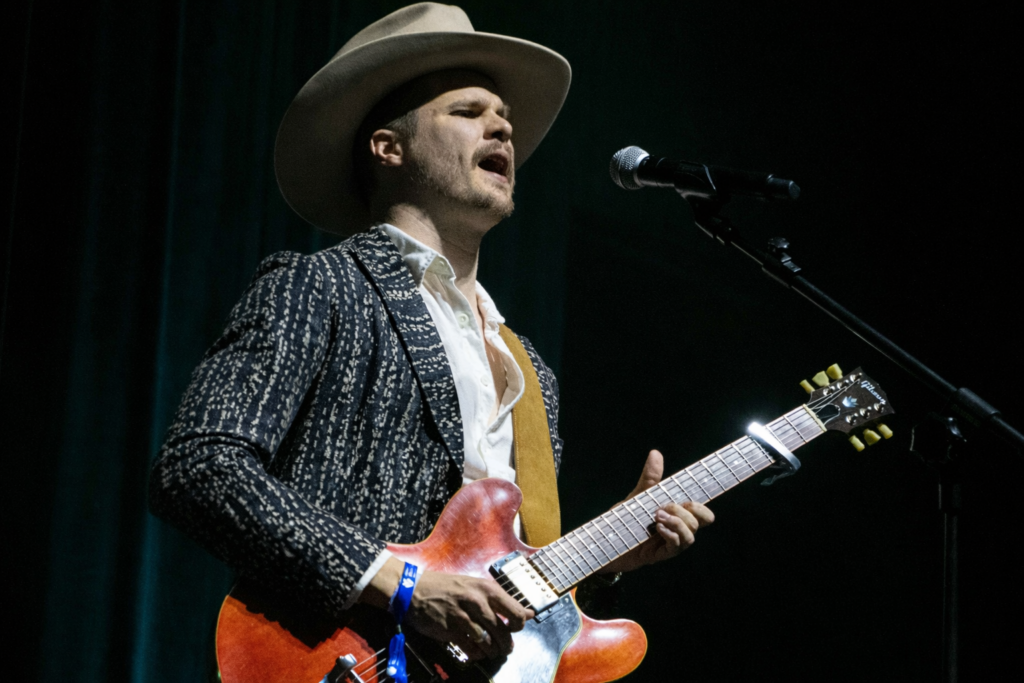
Kustan Adam (Hungary) played in a trio. His style moves between classic blues, soul and modern blues rock. You can hear influences from the 1960s, but also a more modern approach. He keeps a connection to the roots while moving forward.
The Hoochies (Netherlands) are a band in the traditional sense. They have played together for many years, and you can hear it right away. They are tight, natural and full of energy. Authenticity and joy of playing are very clear. Singer and harp player Richard Koster and guitarist Roelof Meijeringh have a relaxed and well-balanced interaction on stage. This is live blues.
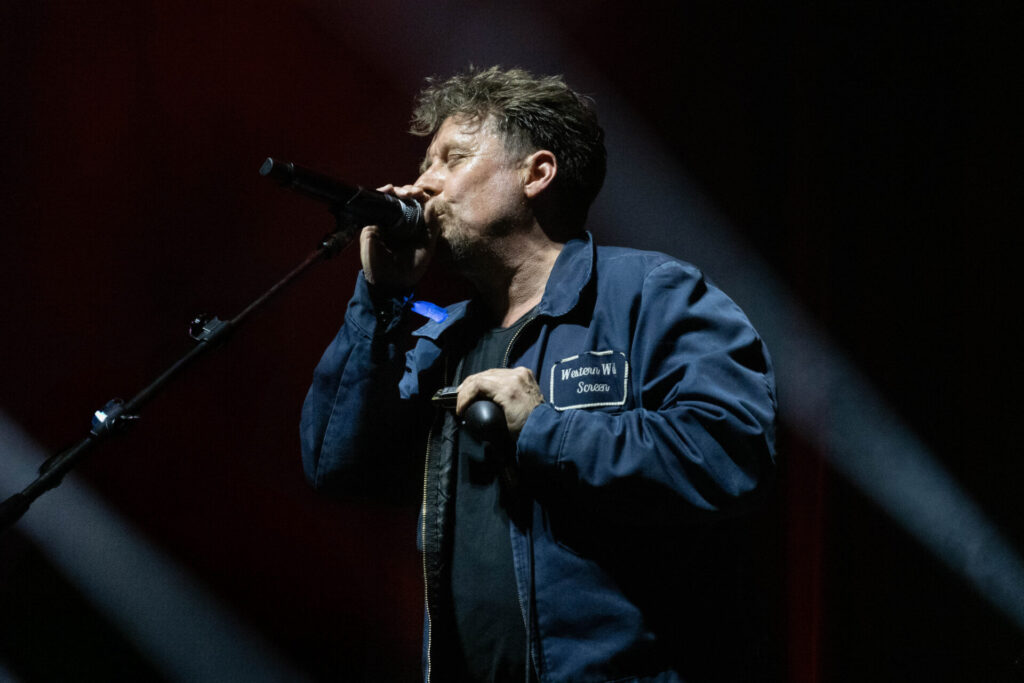
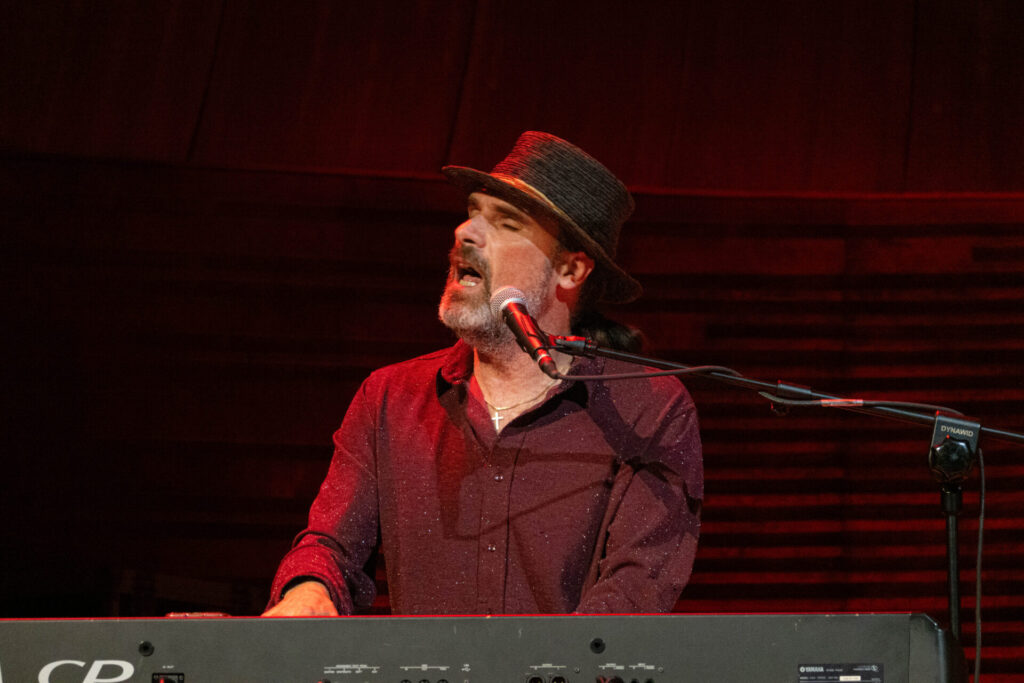
Boogie Kathi & The Muddy Bluesmen (Austria) clearly stood out. Their performance felt like a strong trip back in time. They focus on vintage blues – jump blues, Chicago blues and rhythm & blues. Katharina Alber’s piano playing was excellent, and the band was very well together. Peter Salinger on harp and guitarist Andreas E. Wallner supported her perfectly. Still, she had to use a keyboard instead of an acoustic piano – which raises a simple question: why is there no real piano at such a major event?
However the audience loved the show. Everything pointed to a place in the final – so it was a surprise when it didn’t happen. The band showed a clear identity. Austria does not need to hide here.
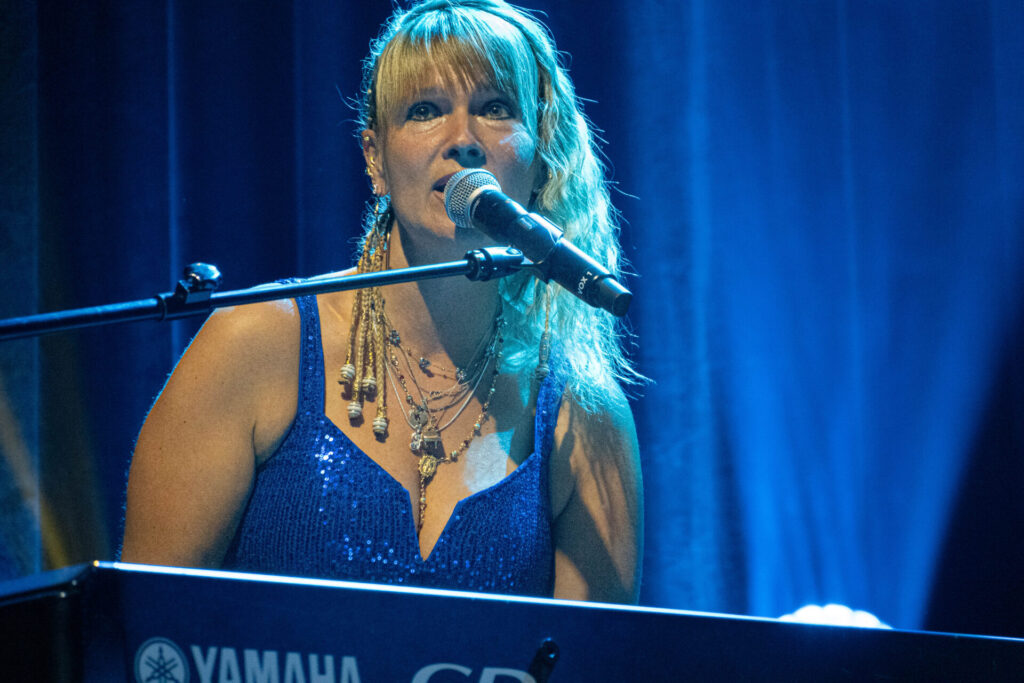
Katharina Alber – powerful vintage blues and boogie woogie, full of drive and passion. A strong statement from Austria.
On the Way to the Top
Adama Janlo (Norway) was one of the most noticeable artists of the second semifinal night. Her performance was emotional, strong and full of expression. Her style moves between blues, soul and R’n’B. It became clear early that she could win. At the same time, some people doubted how much blues was actually left in her music. Still, there is no doubt about the quality of her performance. In the end, she proved this on the big stage and became the overall winner of the competition.
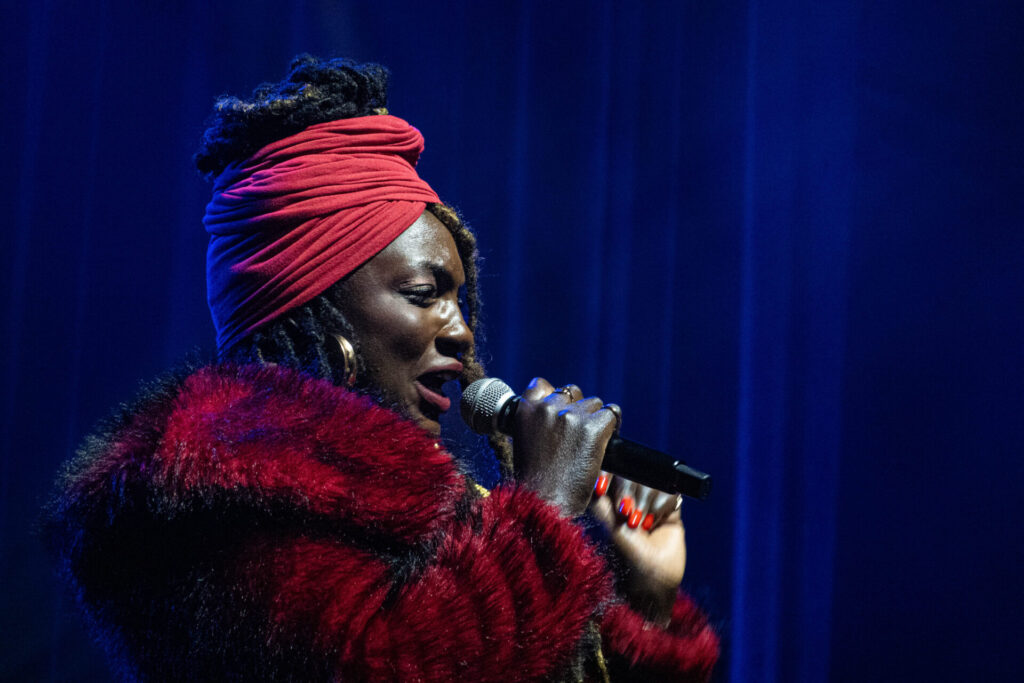
Gloria and the Doctors (Italy) stand for a personality on stage that not only impresses with her voice. Gloria Turrini represents a presence that is hard to ignore: strong, powerful and very confident. She does not care much about glamour – she is almost the opposite of it and clearly represents an anti-glamour attitude. Her style is close to roots music and combines blues, gospel, soul and jazz in a very direct way. Second place makes perfect sense.
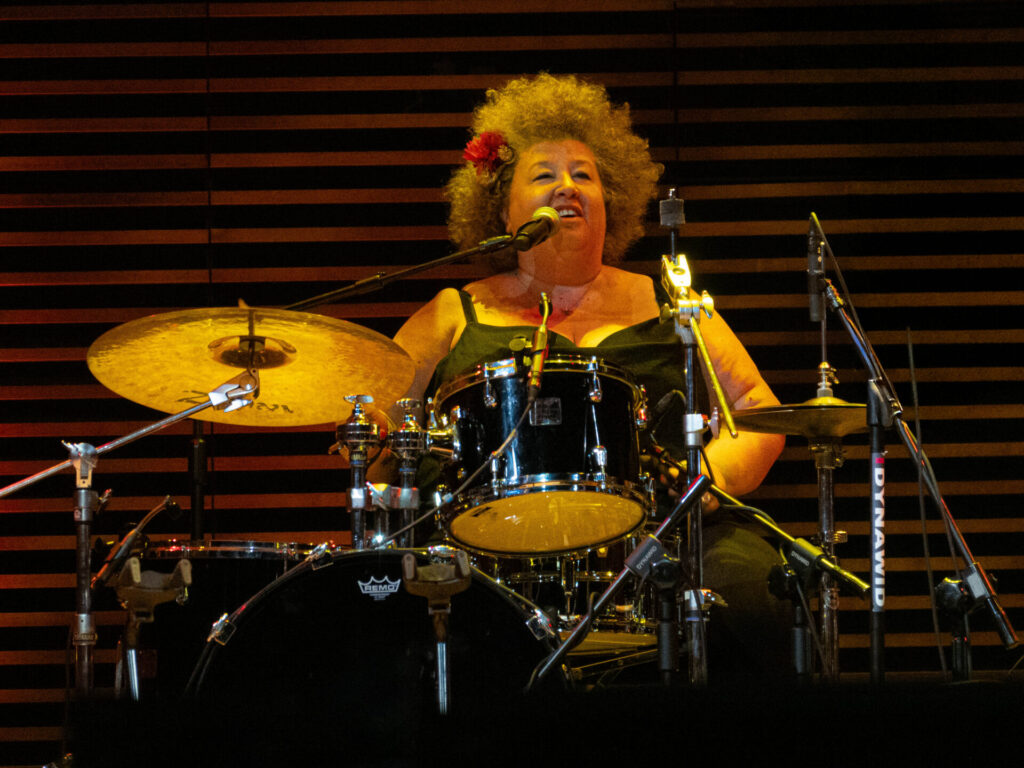
SirJo Cocchi & Balta Bordoy – The Blues Way (Spain) follow a strongly traditional approach, based on electric blues from the 1960s. Their style is clear and focused, with a strong sense of playing and a direct connection to this period. It works as a classic counterpoint to the more modern styles in the competition. They finished in third place.
Final: Decision on the Big Stage
In the final at the NOSPR Concert Hall, eight acts performed: Spain, Switzerland, Italy, Estonia, Norway, Croatia, France and Germany. The jury judges the performances based on several criteria: originality, instrumental skills, vocals and stage presence. The weight of these criteria becomes smaller step by step. “Blues content” – how close the music is to blues – is at the end of the list.
In the end, Adama Janlo (Norway) won the competition. Gloria and the Doctors (Italy) came second, and SirJo Cocchi & Balta Bordoy – The Blues Way (Spain) finished third. The awards were presented by the mayor of Katowice and the president of the European Blues Union, Davide Grandi, in front of a very supportive audience.
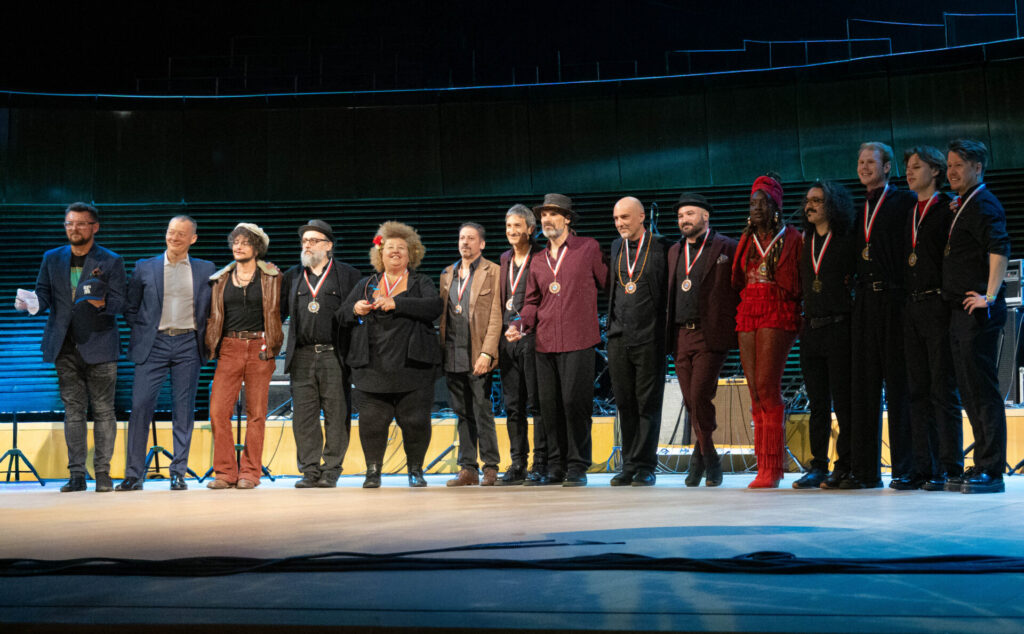
The winners on stage with the mayor of Katowice and the president of the European Blues Union, Davide Grandi.
Conclusion: What Works and Open Questions
There are many positive points. The blues scenes in the different countries show strong effort and commitment. The exchange inside the scene is very important. Musicians meet, promoters discover new bands, and agents and labels make new connections. This helps the scene in Europe to grow and change. For young artists, the European Blues Challenge is also a strong motivation.
But there are also points that can be improved. “Blues content” is the last and least important criterion in the judging system. This makes it harder for traditional, roots-based artists to reach the final. One exception this year was Gloria and the Doctors. Solo artists also have very little chance in this system.
Another point is sound authenticity. There was no acoustic piano in the big halls, only keyboards. This raises a simple question: how can a blues musician fully show their style if important tools are missing?
In the end, the European Blues Challenge shows that the blues scene in Europe is alive and full of different styles. It is driven by passion and people coming together. At the same time, it raises questions about direction, judging and authenticity. It shows the music, gets people talking, and shows how the blues is changing.
The blues will never die!
Article & photos:
Herbert Höpfl, Concerto Magazine, Austria.