
Jazz & The City 2026 – Four Days of Musical Discoveries
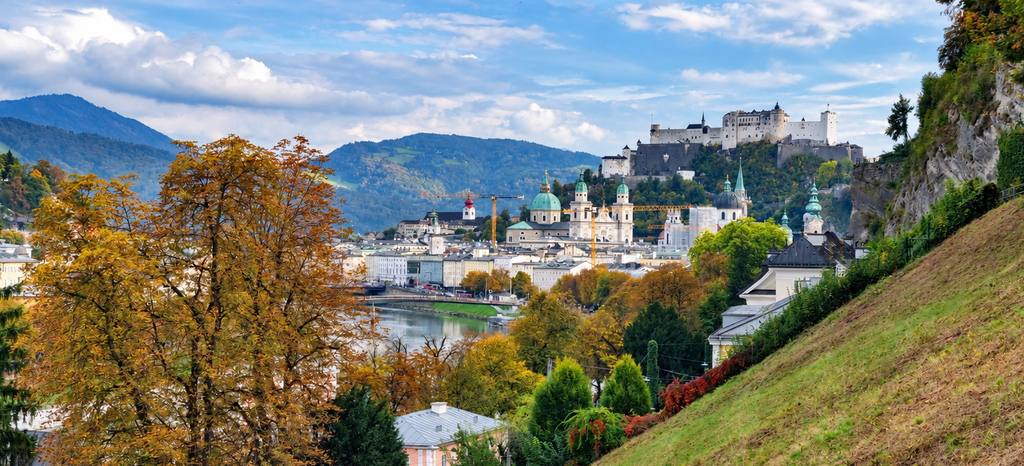
Sorry, Mozart. Salzburg had other sounds in mind. For four days, jazz, world music, and bold new sounds took over the city’s historic Old Town. From October 15 to 18, Jazz & The City brought together around 140 musicians, 60 acts, and 20 venues for a musical adventure called “True Moments.” Big names, fresh discoveries, unexpected surprises—and not a single ticket to buy. Every concert was free.
From the grand Residenzplatz and the beautiful Kollegienkirche to the historic halls of the Old Residence and tiny underground venues, the music refused to fit neatly into any box. Sometimes people were dancing, sometimes they were listening in complete silence. And every now and then, the music challenged even the most open-minded listeners. Not every concert was a winner, but that was part of the appeal. Big international names shared the program with exciting discoveries and a few unexpected surprises.
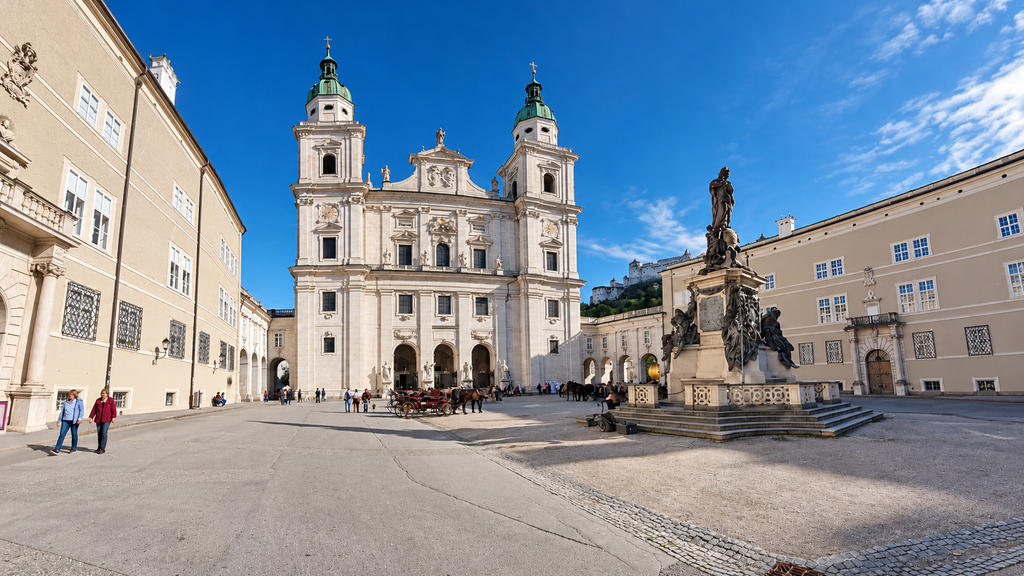
With so much going on, choosing the next concert wasn’t always easy. Some performances overlapped, and even a short walk through Salzburg’s narrow streets and winding alleys could take longer than expected. Luckily, the weather mostly cooperated, leaving some time to explore the city or stop by the legendary Augustiner Bräu for a beer. What follows is a personal look back at four days packed with an incredible variety of music.
Rhythm Takes Over Residenzplatz
Residenzplatz, one of Salzburg’s most beautiful historic squares, was a perfect setting for the festival’s big outdoor concerts. Surrounded by the Old and New Residences, Salzburg Cathedral, and the famous Residenz Fountain, it offered a stunning backdrop for live music right in the heart of the city.
Les Frères Smith sound like one big musical family. Well, not quite. They’re not brothers, and Smith isn’t exactly everyone’s last name. But who’s checking IDs when the music is this good? At least singer Athena Smith and saxophonist Florence Smith help keep the family story alive. All jokes aside, this Paris-based collective takes its music seriously. There’s no bandleader calling the shots. Everyone brings ideas to the table, creating a lively mix of Afrobeat, funk, Ethio-jazz, and hip-hop. Their name for it? “Afrikanbeat.”
Getting to Salzburg was almost a concert in itself—though not exactly a musical one. Traveling by train from Paris, the band had to change trains no fewer than seven times. Seven! At some point, they must have wondered whether Salzburg was actually on the map. But they made it. Hats off to them! And judging by their performance, the journey was worth every headache.
On Residenzplatz, the band delivered a huge, almost orchestral sound. Vocals, saxophone, trumpet, trombone, guitar, bass, keyboards, drums, and percussion came together in a powerful, layered mix. The real star was Athena Smith. Quiet and modest offstage, she absolutely lit up the stage in front of roughly 1,300 people. Her powerful voice and constant interaction with the crowd brought the whole square to life. The entire band was clearly having a blast. Residenzplatz couldn’t have been a better place for this kind of music.
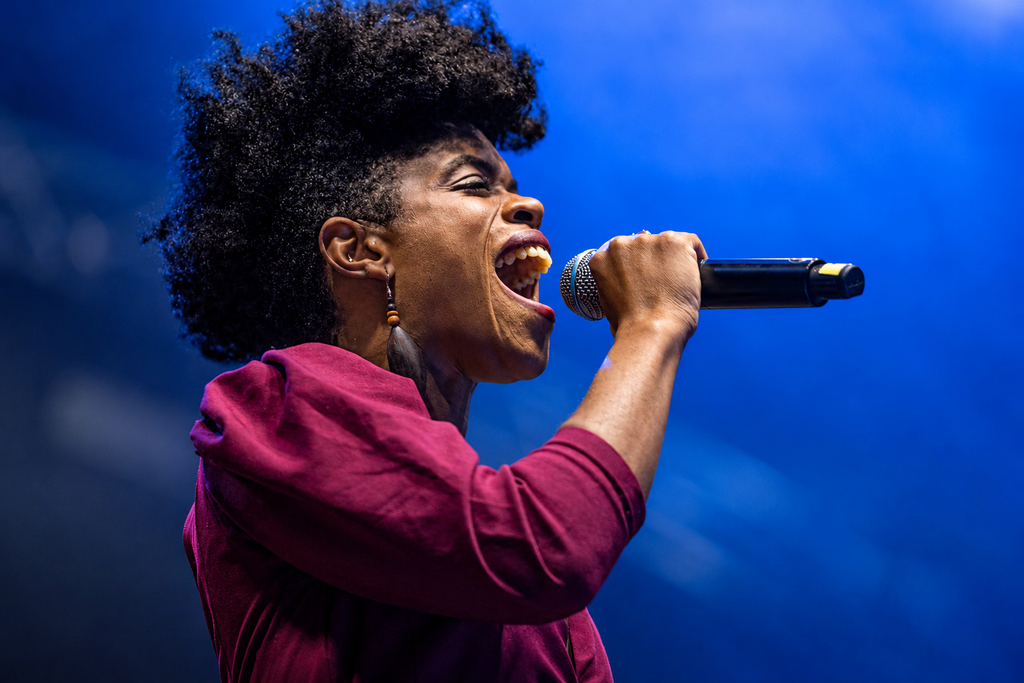
Next up were Yemen Blues, who kicked things up another notch with an explosive mix of Middle Eastern traditions, blues, funk, psychedelic rock, and Arabic influences. Singer and bandleader Ravid Kahalani went all out as a showman, at times bringing Freddie Mercury to mind with his dramatic gestures and stage presence. For my taste, though, it sometimes felt like he was trying a little too hard. Much more convincing was Shanir Blumenkranz, whose outstanding oud playing spoke for itself. No big gestures, no unnecessary theatrics – just great music. Drummer Yuval Lion and percussionist Rony Iwryn laid down such a powerful groove that Residenzplatz practically turned into one giant dance floor.
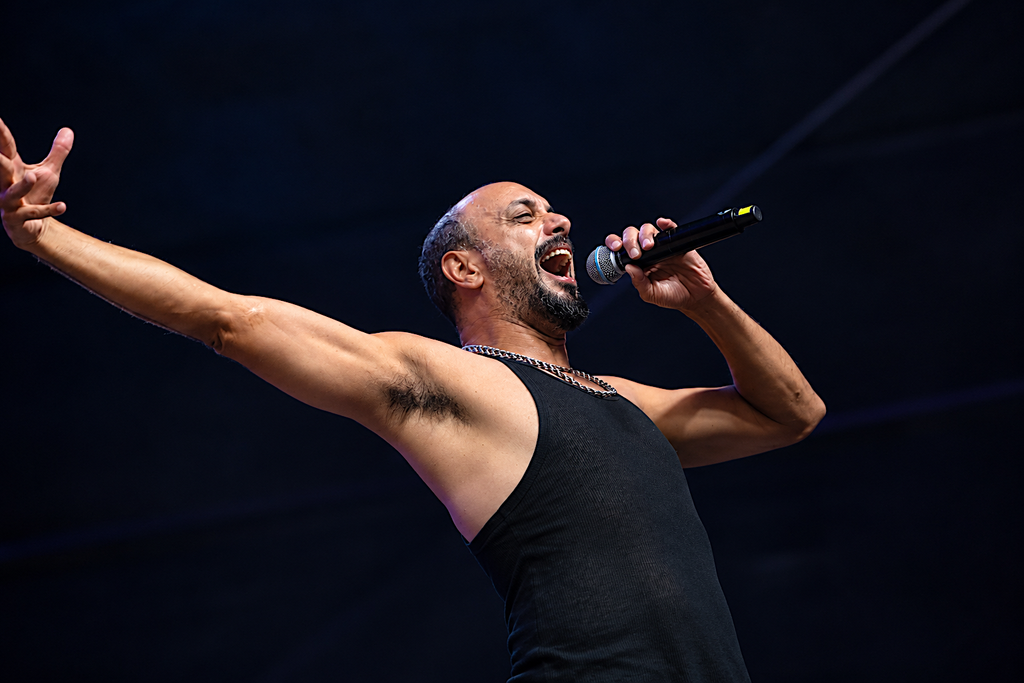
Italian collective Addict Ameba kept the crowd moving with a mix of Afrobeat, funk, and psychedelic sounds. A little rain didn’t slow them down, although the music itself sometimes just coasted along.
The Art of Improvisation
Just a short walk from the big sounds and driving rhythms of Residenzplatz, a very different musical world was waiting. Inside the magnificent Carabinieri Hall of the Old Residence, the focus shifted to subtle details, unexpected musical encounters, and the freedom of improvisation.
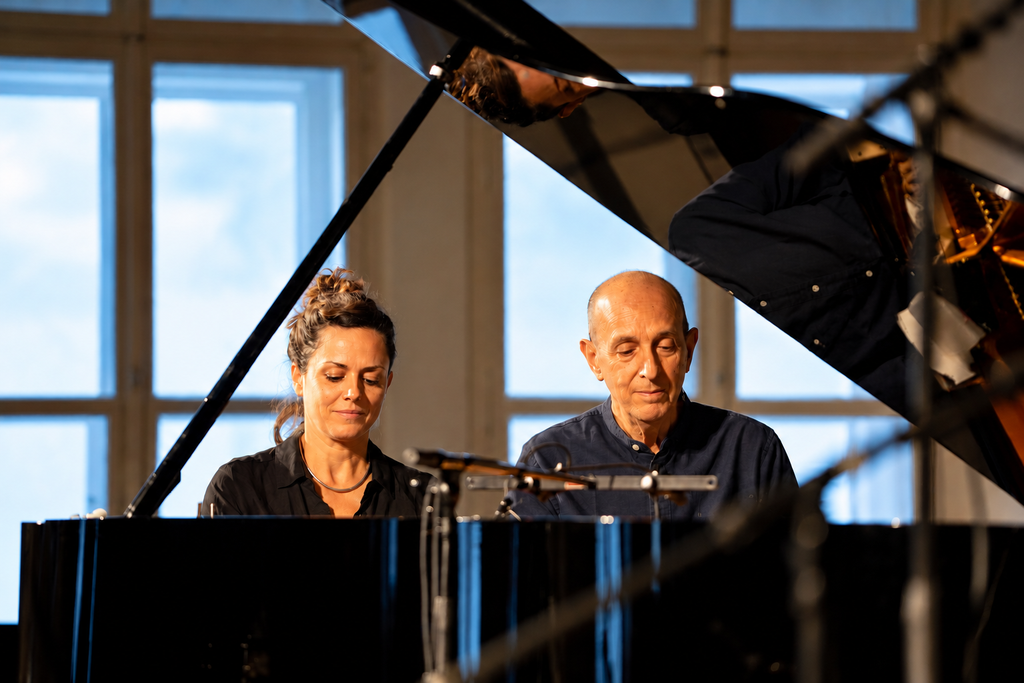
Jordina Millà and Agustí Fernández brought together two generations of Spanish avant-garde piano playing. Two pianists, one grand piano, and no fixed musical plan. It was the kind of performance where you had to go along for the ride. Sometimes they played together, sometimes they took turns exploring the instrument’s many possibilities. Their album “When Forests Dream” (Sirulita Records, 2020) gives a good idea of just how far they can push the limits of a piano.
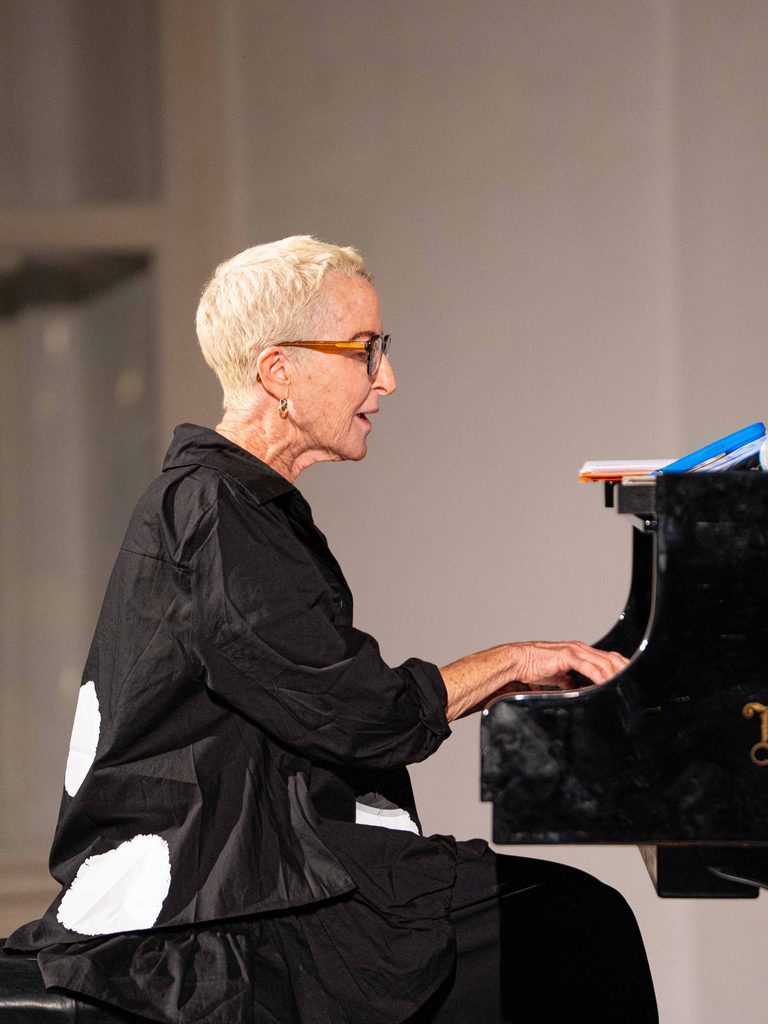
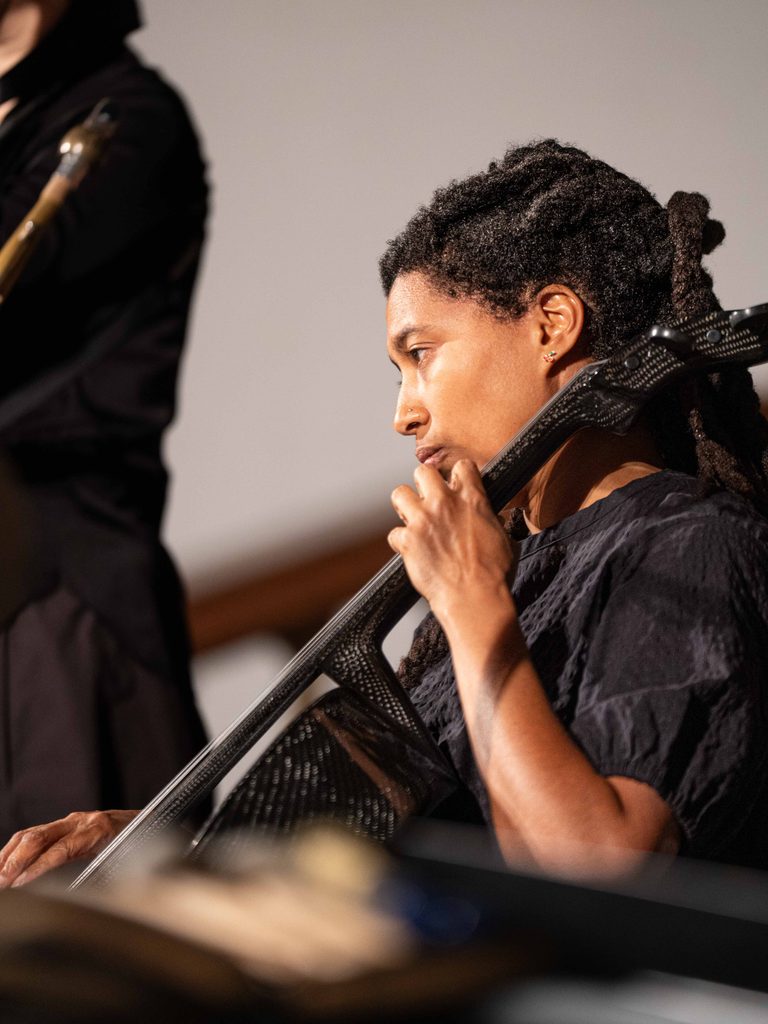
Pianist Myra Melford brought together an outstanding lineup of American avant-garde jazz musicians for her all-female Fire and Water Quintet: Mary Halvorson on guitar, Ingrid Laubrock on saxophone, Tomeka Reid on cello, and Lesley Mok on drums. In this historic hall, where the first opera north of the Alps was performed back in 1614, the five musicians moved between complex compositions and free improvisation in front of an audience of around 400. There was plenty of groove, too, along with memorable solo moments from every member of the band.
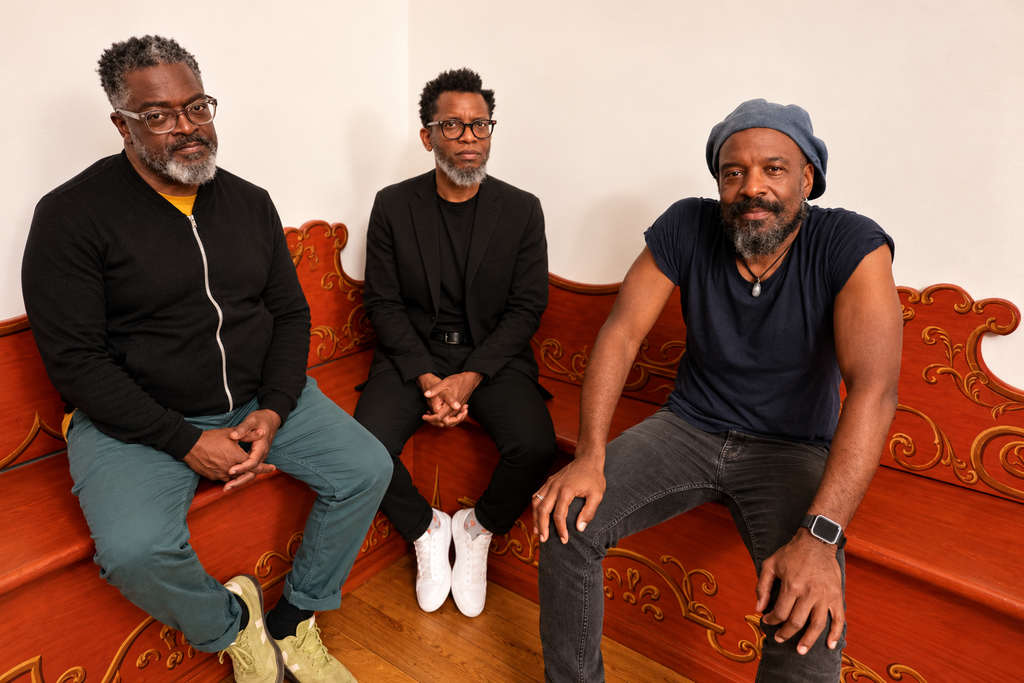
Another highlight at the DomQuartier was the fantastic Aruán Ortiz Trio. The Cuban pianist, who has been based in New York for many years, was joined by two outstanding musicians: bassist Brad Jones and drummer Gerald Cleaver. Their musical connection was remarkable. Each listened closely, picked up on the others‘ ideas, took them in new directions, or came back with something completely unexpected. The music kept changing, yet it all came together as one. Toward the end, though, they really let loose. All three attacked their instruments with wild, raw energy. It was intense and uncompromising, but never chaotic for the sake of chaos. A thrilling burst of musical creativity brought an exceptional concert to a close.
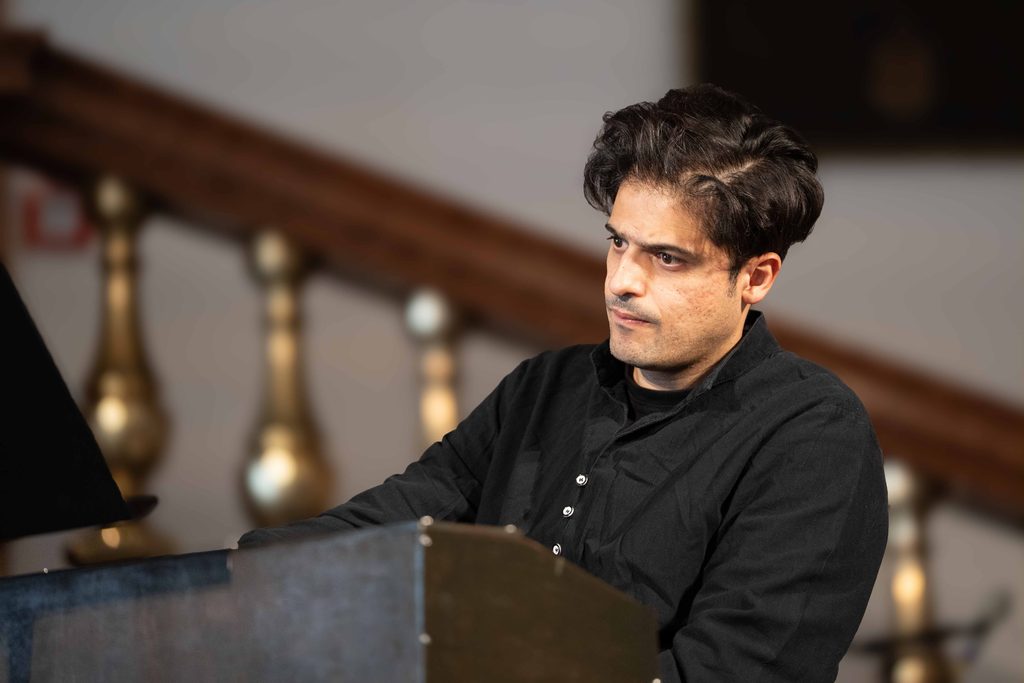
A completely different kind of discovery came from the Austrian-Iranian trio Terrea, featuring Sarvin Hazin on violin, Anna Maria Niemiec on cello, and Amir Ahmadi on claviton. While Western music generally divides an octave into twelve semitones, this unusual keyboard instrument has 31 keys per octave. That allows musicians to play the subtle notes between the familiar Western pitches, something especially important in Iranian and Arabic music. The violin and cello can produce these tiny pitch differences as well. Together, the three musicians created a fascinating mix of Middle Eastern melodies, contemporary chamber music, and jazz. Their debut album “Raz” (Unit Records, 2026) was already featured in CONCERTO 1/2026 on page 39.
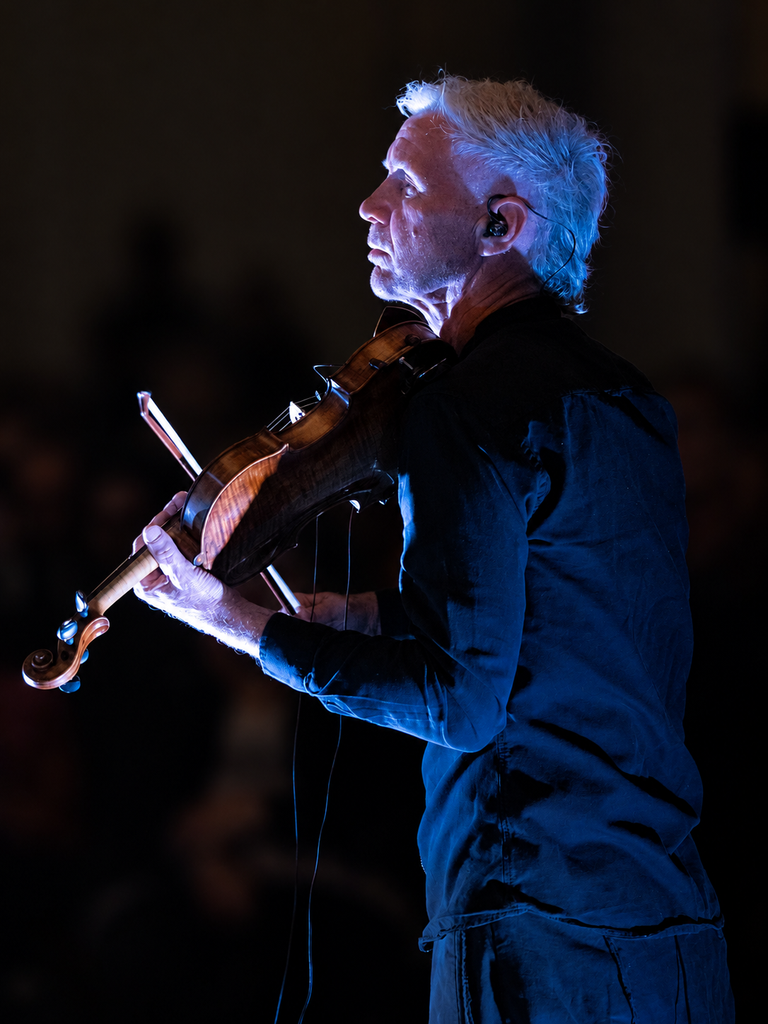
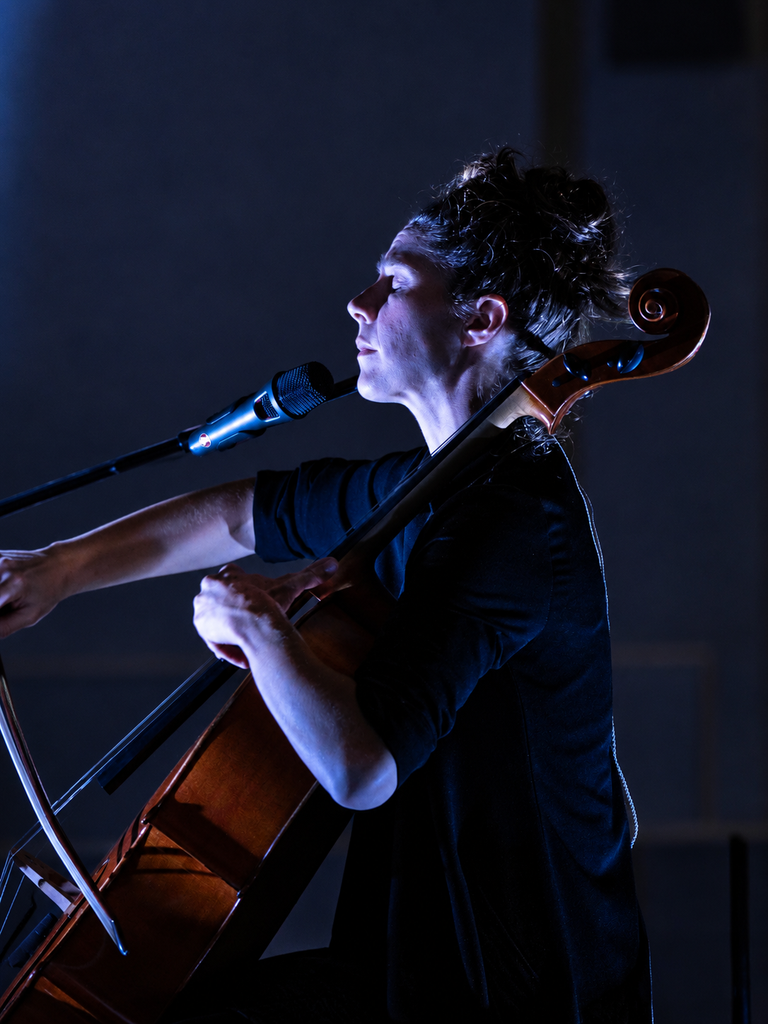
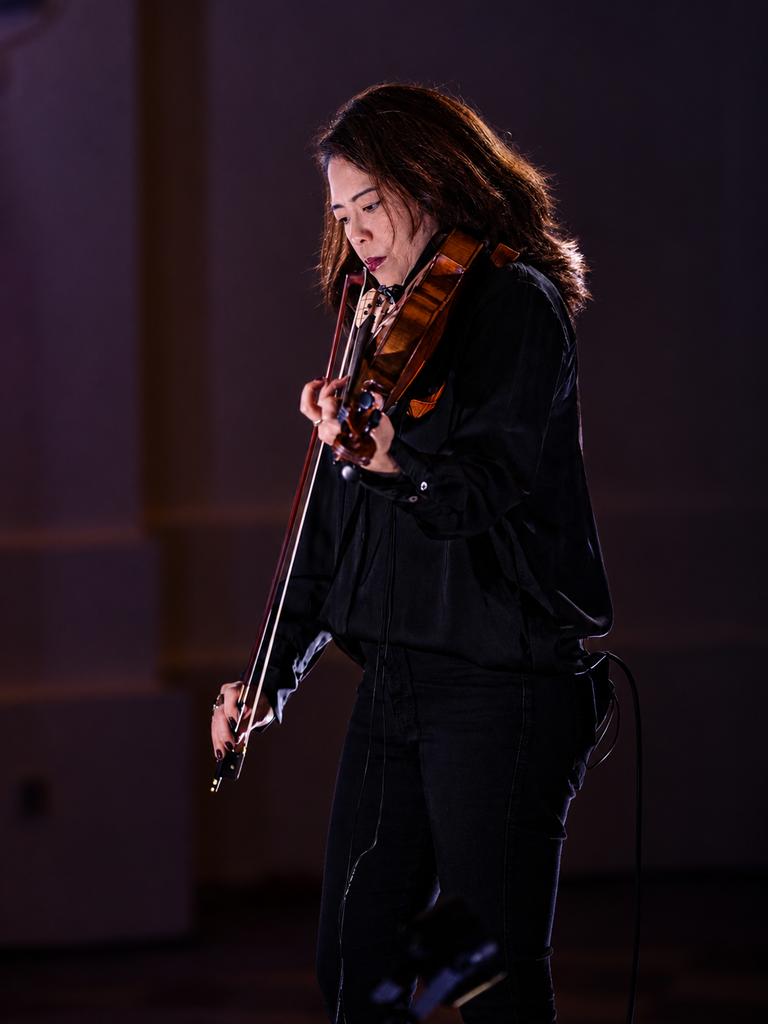
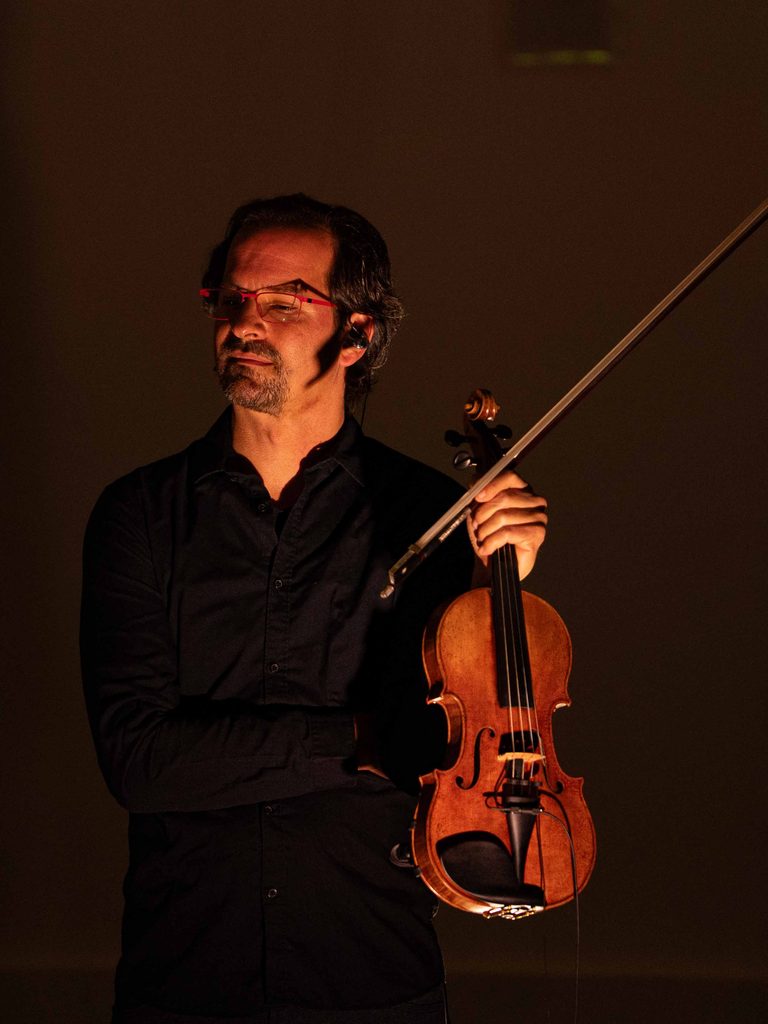
Just a few minutes away, the beautiful Kollegienkirche offered another impressive setting for some very different musical experiences. Before radio.string.quartet took the stage, cellist Sophie Abraham, who is also a member of the group, had performed a solo concert. She then joined violinists Bernie Mallinger and Igmar Jenner, along with violist Cynthia Liao, for music from the quartet’s latest album, “aERO – four seasons Vol. 1.” Inspired by the element of air, the album also draws on the structure of Vivaldi’s “Four Seasons.” There were echoes of Johann Sebastian Bach as well. What often began as delicate, intimate chamber music gradually grew into powerful, richly layered passages full of intensity. The quartet’s precise playing and imaginative arrangements were especially impressive. radio.string.quartet remains one of the most interesting string quartets in Europe.
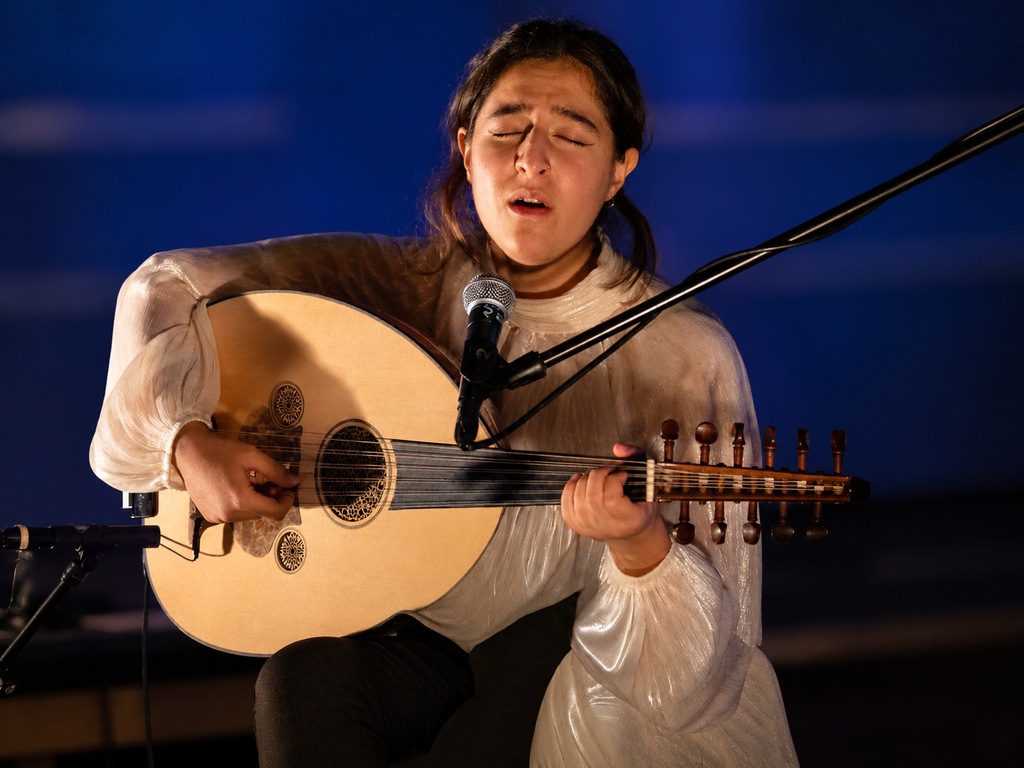
Young Iranian singer and oud player Avin Ahmadi arrived at the Kollegienkirche with quite a reputation already building around her. Now based in Vienna, she performed music from her debut EP “Liminal,” a deeply personal project shaped by her thoughts, feelings, and experiences. Sitting alone with her oud in the huge church, she almost seemed lost in the space. But after just a few notes, she had everyone’s attention. The nearly full church fell completely silent. Rarely has quiet music made such a powerful impression – not because of the volume, but because the audience hung on every word and every note.
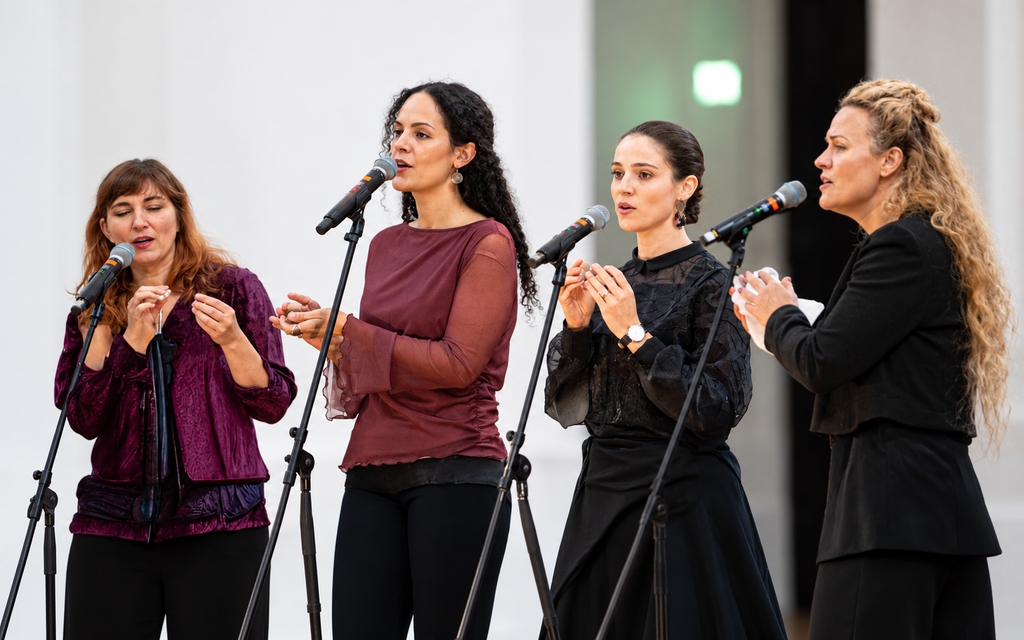
HALS has quickly become one of Austria’s most exciting a cappella quartets. So it made perfect sense to bring the four singers Anna Anderluh, Amina Bouroyen, Anna László, and Valerie Costa to Jazz & The City. Whatever the wonderfully strange name HALS actually means, these four women showed plenty of musical courage, personality, and remarkable focus. The beautiful Baroque church looked fantastic, but the acoustics were another story. A cappella music depends on hearing voices blend naturally. With amplification and the church’s long echo, that only worked well in certain parts of the audience. In the side aisles, the voices sometimes blurred together so much that many of the finer details were lost. That didn’t take anything away from the quartet’s performance. The four singers handled the difficult conditions with impressive skill, energy, and a real sense of connection. Maybe next time they could sing from the choir stalls. After all, architect Johann Bernhard Fischer von Erlach figured out more than 300 years ago how to make voices carry through a church without microphones..
From Guitar Experiments to Desert Blues
The historic Blaue Gans offered a completely different atmosphere. With more than 600 years of history, the building stretches from Getreidegasse to Herbert-von-Karajan-Platz. Its old vaulted cellar is one of the festival’s most charming and intimate venues.
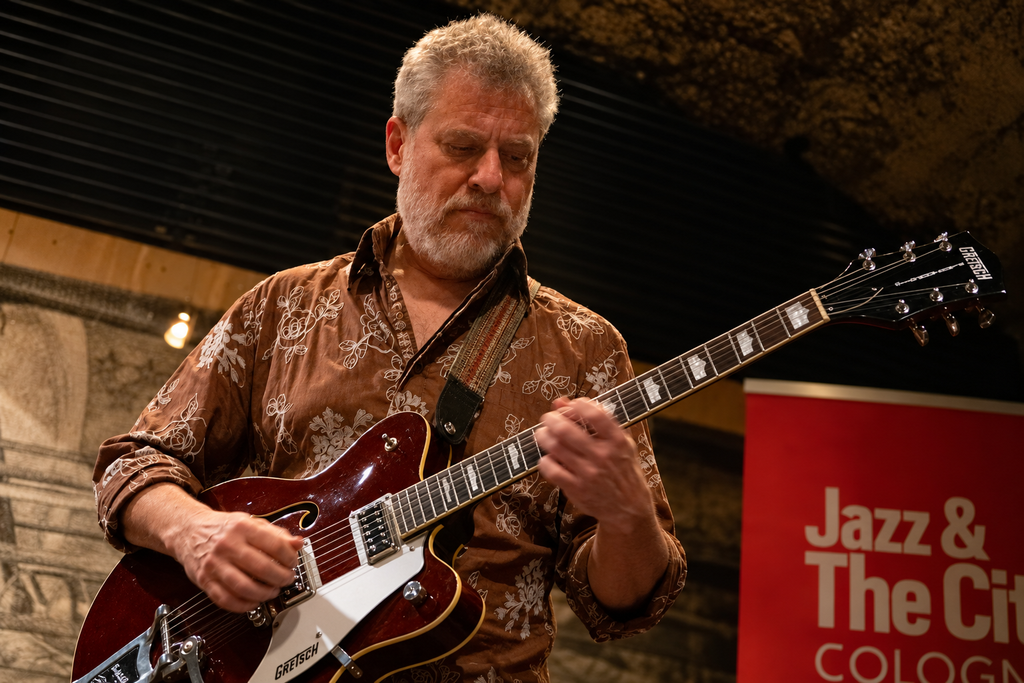
Guitarist Eric Arn clearly isn’t interested in playing by the usual rules. Delicate guitar patterns, sharp-edged melodies, and spontaneous sound experiments made for a performance that took some getting used to. But once you settled into his unusual musical world, the music developed a surprisingly natural flow..
From the cozy cellar, the musical journey continued to SZENE Salzburg, a well-established venue with a large stage and room for a wide range of styles – from soul and Americana to North African rhythms and modern jazz.
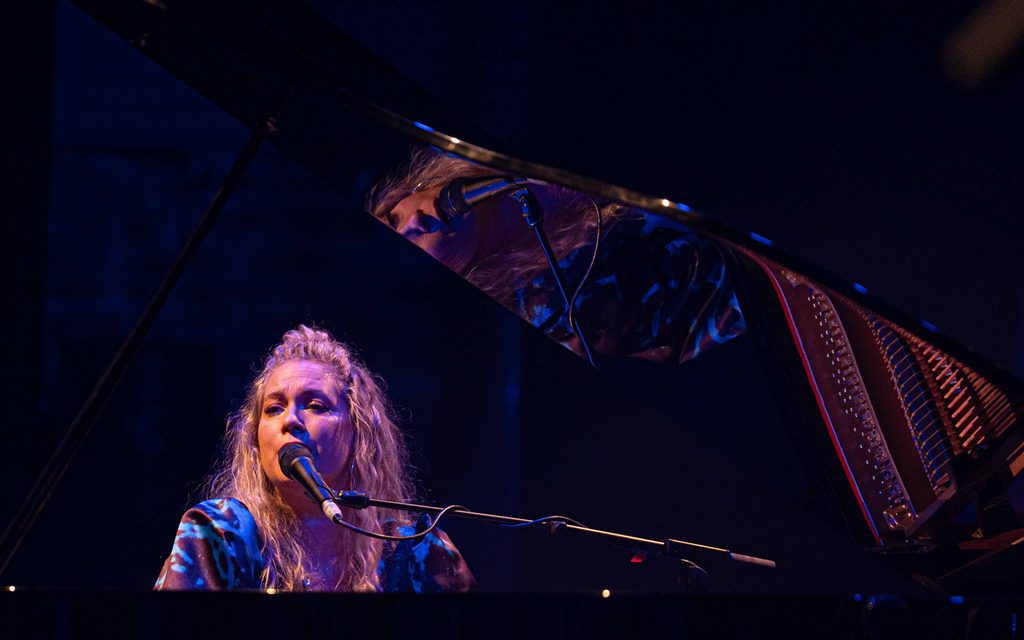
The first performance came from LYLIT, an Austrian singer and pianist known for her neo-soul sound and her work in the pop world. It was probably a deliberate choice by the organizers to start with an artist who could reach a broader audience. For dedicated jazz and world music fans, however, the music became a little too predictable after a while. Still, the excellent string quartet and backing singers, including the wonderful Anja Om, provided some real highlights. It was a shame they weren’t given more room to shine.
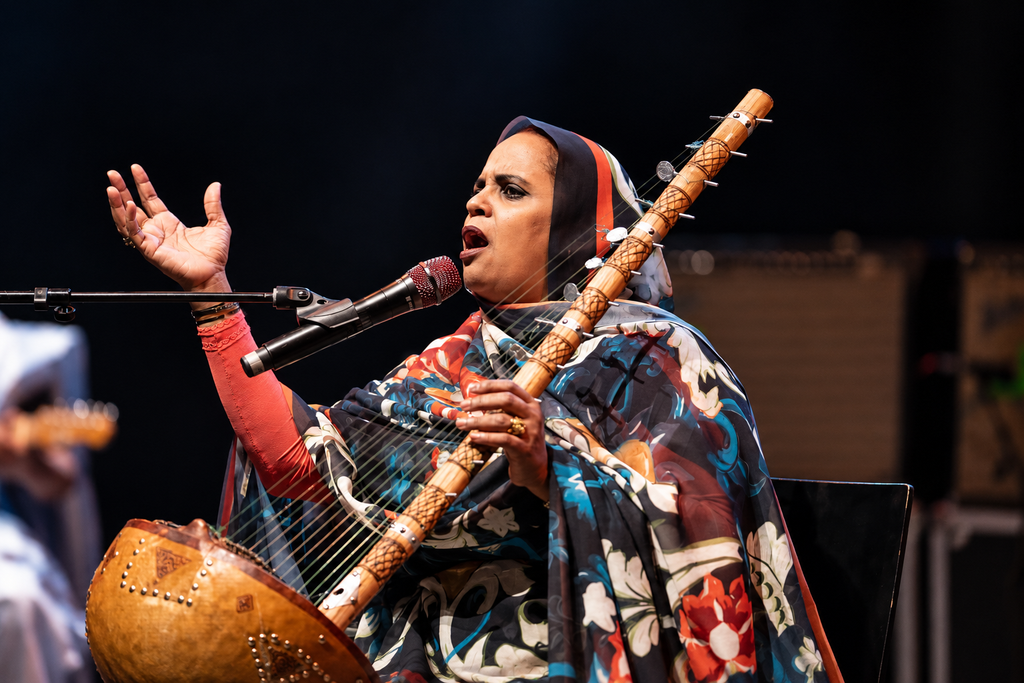
Noura Mint Seymali, dressed in traditional Mauritanian clothing, began her concert just as quietly and carefully as she appeared on stage. With her ardin, a traditional harp, she introduced the first sounds in a calm, focused way that immediately caught the audience’s interest. But as the concert went on, everything changed. Her voice became stronger, louder, and more expressive, sometimes rising almost to a scream. Her facial expressions and sweeping hand movements added even more intensity. What began so gently turned into an incredible burst of musical energy. Her backing band was just as impressive. The guitarist and rhythm section stayed cool and understated, playing no more than necessary. Not a note was wasted. Their sound was raw, edgy, and incredibly effective. Suddenly, it was easy to imagine a connection to the musical roots of John Lee Hooker, or even to the beat music of the 1960s. One of the first major surprises of the festival – especially considering that the group was performing in Austria for only the second time.
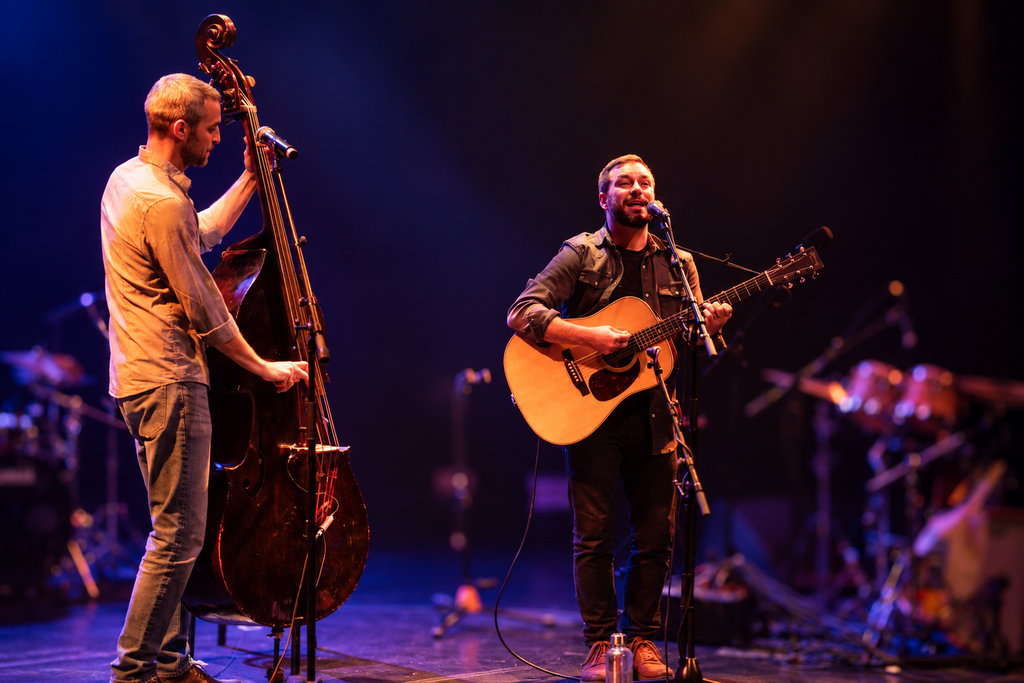
Nat Osborn (vocals, acoustic guitar) and Mike Parker (double bass) have been making music together for more than 15 years. Their solid duo set mixed Americana, blues, and folk, combining original songs with a few carefully chosen covers. Maybe SZENE’s large hall was simply a little too big for such an intimate performance. Still, the two musicians played beautifully together, showing the easy connection that comes from years of experience.
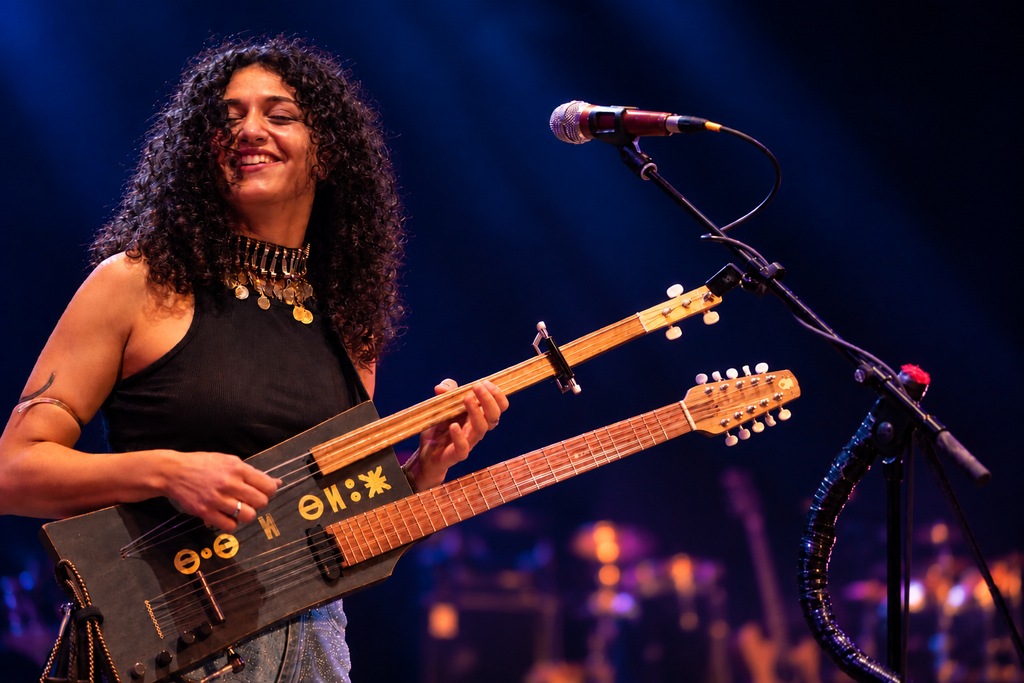
One of the clear highlights of the festival’s world music program was Bab L‘ Bluz. The French-Moroccan quartet lived up to its name, which roughly means “Gateway to the Blues.” Traditional Moroccan Gnawa rhythms met bluesy guitars, psychedelic rock, and a whole lot of energy. At the center was charismatic singer Yousra Mansour, who impressed not only with her powerful voice but also with her electrified string instruments. Brice Bottin added strong musical accents on guitar and electric guembri, the traditional three-string bass lute used in Gnawa music. Together, they made the boundaries between North African traditions and Western rock almost disappear. The whole band played with an energy that was impossible to resist.
French-Moroccan trumpeter daoud and his quartet brought another exciting sound to the festival. The stage was mostly dark, with sharp white lights creating dramatic shadows. The atmosphere looked as intense as the music sounded. Dense, suspenseful passages alternated with strong trumpet lines before hip-hop beats and deep grooves took over. daoud’s music might just spark an interest in jazz among people who have never really connected with it before – and make them curious to discover what else jazz has to offer.
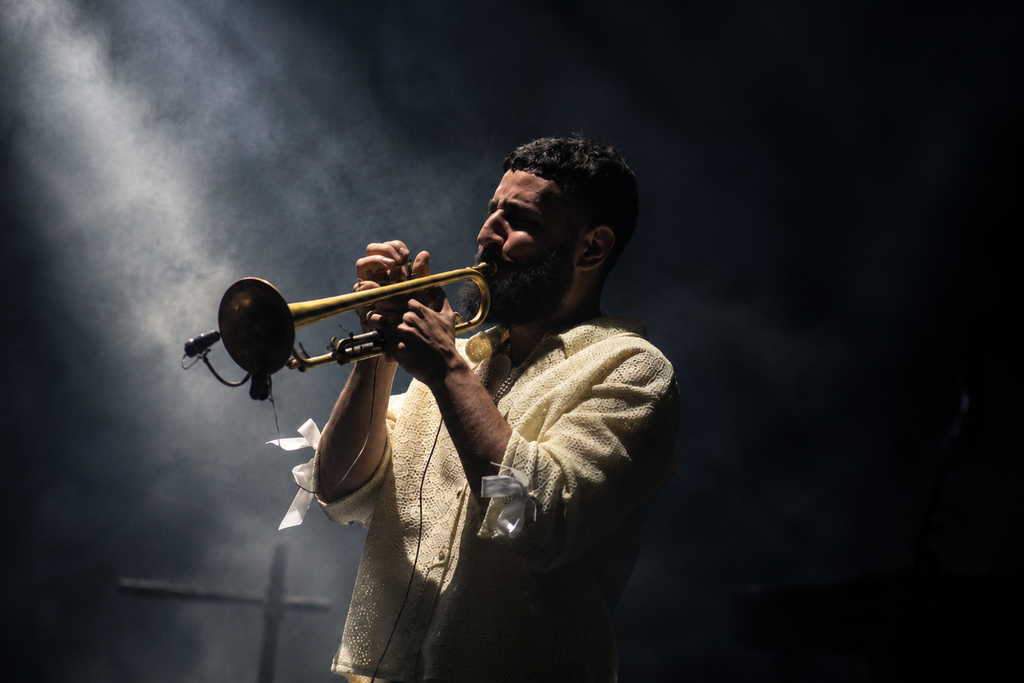
For four days, Salzburg’s historic Old Town became a lively, incredibly diverse concert landscape. Much of the credit goes to the Altstadtverband Salzburg (= Salzburg Old Town Association) the organization that provides the planning, infrastructure, and support needed to make it all happen. In the process, it brings together the city’s history, its tourism industry, and a vibrant contemporary music scene.
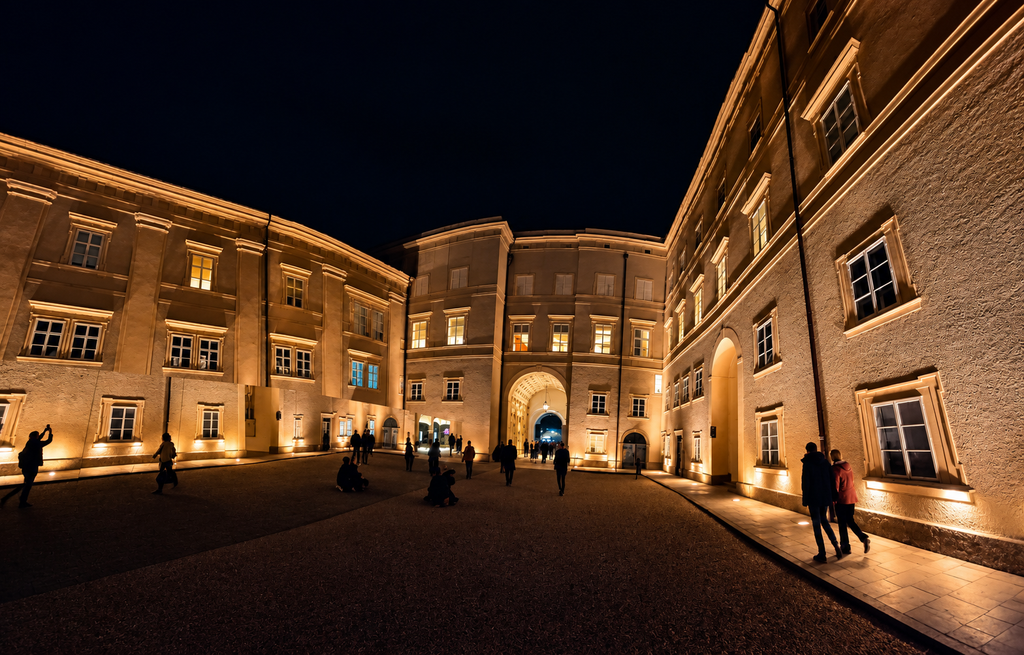
The musical success of the festival also comes down to a great programming team. Markus Weissenberger, the program director, brings everything together. Katrin Pröll has a great ear for exciting international world music acts, while Jakob Flarer contributes his jazz expertise and international connections. Helge Hinteregger makes sure Austria’s diverse jazz scene gets the attention it deserves. Four different perspectives that clearly work well together and give Jazz & The City its own musical identity. Of course, not every concert was equally convincing. But that’s part of what happens when a festival is willing to take chances. What really matters is that it sparks curiosity and introduces audiences to musicians they might otherwise have missed. And that’s exactly what makes Jazz & The City so special.
Photos and Review: Herbert Höpfl